
20 Seeds to Sow in February in the UK: Vegetables, Flowers and Herbs

Wondering what seeds to sow in February? From early vegetables and fragrant sweet peas to useful kitchen herbs, discover 20 seeds you can start in the UK, with practical advice on sowing under cover and knowing when it’s better to wait.
This post may contain affiliate links. Please see the affiliate disclosure for details.
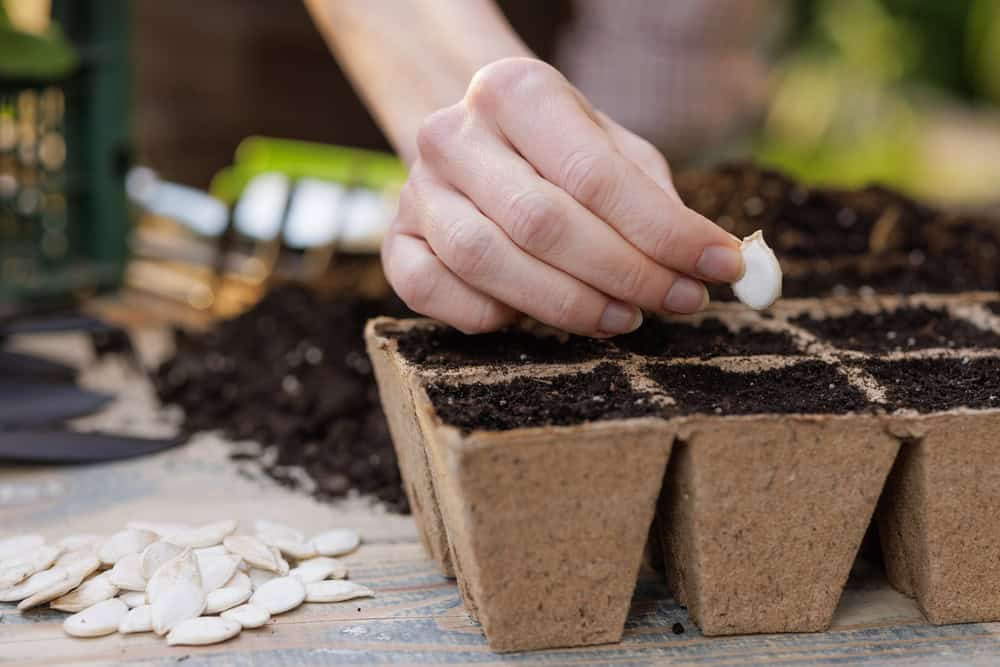
February can feel like an awkward month for gardeners. The days are getting longer, seed packets are beginning to pile up, and there’s a growing temptation to start sowing everything in sight. Outside, however, the soil may still be cold, wet or frozen.
The good news is that you can start plenty of seeds in February, provided you give them the right conditions. Some vegetables benefit from an early start in warmth, while hardy flowers and cooler-growing crops can be sown under cover ready for spring.
The trick is knowing which seeds are worth starting now and which will do just as well, or better, if you wait a few weeks.
Whether you’re growing vegetables, filling your borders with flowers or planning a small herb garden, here’s what you can sow in February in the UK.
UK growing note: Sowing times vary with local weather, soil conditions and the facilities you have available. Gardeners in milder southern and coastal areas may be able to start some crops earlier than those in northern, upland or frost-prone gardens. Always check the seed packet and adjust sowing times to suit your conditions.
What Seeds Can You Sow in February?
February is primarily a month for sowing under cover. Warmth-loving vegetables, such as chillies and aubergines, can be started indoors to give them a longer growing season. Hardy vegetables, including broad beans and peas, can be sown in modules or pots in an unheated greenhouse or cold frame.
Several flowers are also worth starting now, particularly if you’re growing plants for a cutting garden.
The important distinction is between seeds that need warmth to germinate and those that can grow happily in cooler conditions.
A heated propagator is useful for tender crops, but it isn’t necessary for everything. In fact, keeping hardy seedlings too warm can produce soft, weak growth.
If you only have a windowsill, don’t worry. Choose a few suitable plants rather than filling every available surface with seedlings you’ll struggle to look after.
Vegetables to Sow in February
February sowing is particularly useful for vegetables with a long growing season and those that can tolerate cooler conditions.
1. Tomatoes
Tomatoes can be started from late February if you’re growing them in a greenhouse and can provide plenty of warmth and light.
Sow the seeds in small pots or modules of peat-free seed compost, ideally at around 18–21°C. Once they germinate, move the seedlings into a bright position and grow them on somewhere warm enough to prevent cold damage.
The biggest problem with February tomato sowing is often a lack of light rather than warmth. Seedlings kept in a warm room with poor light can quickly become tall, thin and weak.
Worth knowing: If you’re planning to grow tomatoes outdoors, there’s usually no advantage to sowing this early. Late March or early April is generally more suitable for UK outdoor crops.
2. Chillies
Chillies are a good candidate for early sowing because many varieties take a considerable time to reach maturity.
Sow the seeds indoors in February, using a heated propagator or another consistently warm spot. Germination is generally most reliable in warm compost, often around 21–27°C, although requirements vary between varieties.
Once the seedlings appear, provide strong light and protect them from cold draughts. Chilli plants need warmth throughout their early development, so only start them now if you have somewhere suitable to keep them growing until temperatures improve.
3. Sweet Peppers
Sweet peppers also benefit from a long growing season, particularly when grown under cover.
Sow seeds indoors in February and provide steady warmth for germination. Once the seedlings have developed their first true leaves and are large enough to handle, transfer them into individual pots.
Continue growing them in a bright, warm position until they can move into a greenhouse, polytunnel or suitably sheltered outdoor space later in the year.
Peppers dislike cold conditions, so an early sowing is only worthwhile if you can look after the young plants properly.
4. Aubergines
Aubergines need a long, warm growing season, so February is a good month to start them.
Sow the seeds indoors in small pots or modules, preferably with bottom heat. They germinate most reliably in warm compost, generally around 21–27°C.
Once the seedlings appear, they’ll need excellent light and continued warmth. Don’t move them into an unheated greenhouse too early, as low temperatures can slow their growth considerably.
In much of the UK, aubergines are most productive in a greenhouse or polytunnel. Gardeners with particularly warm, sheltered conditions may also have success outdoors.
5. Onions
Growing onions from seed takes longer than planting sets, but it offers a much wider choice of varieties. February is a useful month to start onion seeds indoors or in a protected growing space.
Sow thinly in trays or modules of seed compost and keep them somewhere bright. Moderate warmth will help germination, but established seedlings can be grown on in cooler conditions.
Once the young plants are sufficiently developed and outdoor conditions are suitable, harden them off gradually before planting.
If you prefer using onion sets, there’s no need to start those indoors. They can be planted directly outside when conditions are appropriate.
6. Leeks
Leeks grow slowly, so starting them under cover in February can give them a useful head start.
Sow seeds thinly in trays or modules, using peat-free seed compost. They don’t need the high temperatures required by chillies or aubergines, although some gentle warmth will help germination.
Once established, grow the seedlings on in a bright, cool, frost-free position.
They can be planted into their final growing positions later in spring or early summer, once they’re large enough and the soil is workable.
Leeks are particularly useful if you’re planning a productive vegetable garden that will provide harvests later in the year.
7. Lettuce
You don’t need to wait for warm spring weather to start growing salad leaves.
Lettuce can be sown under cover in February, particularly varieties recommended for early or protected cultivation.
Sow a small number of seeds in modules, pots or containers of seed compost. Keep them somewhere bright and cool, protecting young plants from severe frost.
If you’re growing lettuce on a windowsill, choose a position with as much natural light as possible. Without enough light, seedlings can become weak and stretched.
Rather than sowing a whole packet, start with a small batch and make further sowings as conditions improve.
8. Peas
Peas are hardy vegetables that can be started under cover in February for an earlier crop.
Sow the seeds in deep modules, pots or lengths of clean guttering filled with compost. Keep them in a cool greenhouse or cold frame, where they’ll be protected from excessively wet soil and hungry mice.
Once the seedlings are established and outdoor soil conditions have improved, harden them off if necessary and plant them into their final position.
Peas generally establish well in cool conditions, but there’s little benefit in rushing them into cold, waterlogged ground. An early variety is a good choice if you’re hoping for a crop before the main summer harvest.
9. Broad Beans
Broad beans are among the hardiest vegetables you can sow at this time of year.
In milder areas with reasonably dry, workable soil, suitable varieties can be sown directly outdoors during February.
If your garden is particularly cold or wet, sow the seeds individually in deep modules or small pots under cover instead.
Keep the seedlings somewhere cool and bright, then plant them outside once the soil is suitable and the young plants are well established.
Broad beans are particularly useful for filling an early gap in the vegetable garden, and their flowers attract visiting insects.
10. Spinach
Spinach grows best in relatively cool conditions, making it a useful crop for an early protected sowing.
Choose a variety suitable for spring cultivation and sow the seeds in modules or containers in a greenhouse, cold frame or other protected position. Keep the compost moist but not waterlogged, and protect the seedlings from severe frost.
Spinach can struggle during hot weather, when some varieties are more likely to bolt. Starting a small early crop can therefore be a useful way to enjoy fresh leaves before summer arrives.
For most gardeners, it’s best to leave outdoor sowings until the soil begins to warm in spring.
Flowers to Sow in February
February is also a good opportunity to get a head start on a colourful summer garden. Some flowers are well suited to early indoor sowing, while others are hardy enough to grow in a cool greenhouse or cold frame.
However, not every hardy annual benefits from an early start. Several are just as happy being sown directly into the garden once spring arrives.
11. Sweet Peas
Sweet peas are a classic choice for cottage gardens and cutting gardens, producing fragrant flowers in a wide range of colours. If you didn’t sow them in autumn, February is a good time to start.
Sow the seeds individually in deep pots or root trainers, using peat-free compost. Once germinated, keep the seedlings in a cool, bright, protected position.
When the plants are around 7–10cm tall, you can pinch out the growing tips to encourage bushier growth.
Sweet peas will need support as they develop, so plan ahead with a suitable trellis, canes or climbing frame.
Regularly picking the flowers during summer will encourage many varieties to keep producing blooms.
12. Snapdragons (Antirrhinums)
Snapdragons bring upright flower spikes and plenty of colour to summer borders, with varieties ranging from soft pastels to vivid reds and yellows. They’re also a good choice for cutting gardens.
February is a suitable time to sow snapdragons indoors. Scatter the tiny seeds thinly over the surface of moist seed compost, pressing them down gently rather than burying them deeply.
Provide light and moderate warmth for germination, following the seed packet’s instructions. Once the seedlings are large enough to handle, carefully prick them out into modules or small pots.
Grow them on in a bright, protected position before hardening them off and planting outside after the risk of damaging frost has passed.
13. Calendula
Calendula, also known as pot marigold, is one of the easiest annual flowers to grow. Its cheerful orange and yellow flowers are attractive in borders, containers and informal cottage gardens, while open blooms provide accessible pollen and nectar for visiting insects.
You can start calendula in pots or modules under cover during February, although there’s no need to rush.
Sow the seeds in peat-free compost and cover them lightly. Grow the seedlings on in a bright, cool position until they’re ready for planting outside.
Calendula can also be sown directly into prepared soil in spring, which is often the simplest approach if you don’t have much indoor space.
14. Cornflowers
Cornflowers are another excellent choice for an informal border or cutting garden. The traditional blue flowers are particularly striking, although pink, white and darker-flowered varieties are also available.
You can sow cornflowers in pots or modules under cover in February, keeping the young plants cool and bright. Avoid overcrowding the seedlings, as this can result in weaker plants.
Once they’ve been hardened off and outdoor conditions are suitable, plant them into a sunny position with well-drained soil.
Cornflowers are also easy to direct sow in spring, so February sowing is optional rather than essential.
15. Nigella (Love-in-a-Mist)
Nigella has delicate, finely divided foliage and unusual flowers surrounded by feathery green bracts. Its decorative seed pods are another reason to grow it, particularly if you enjoy dried flower arrangements.
Although nigella can be started in individual modules under cover, it generally establishes most easily when sown directly into the garden.
If you’re keen to begin in February, try a small protected sowing in deep modules, keeping root disturbance to a minimum.
For most gardeners, however, I’d recommend waiting until spring and sowing directly into prepared soil.
Nigella is excellent at self-seeding where conditions suit it, often producing new plants without much help.
16. Larkspur
Larkspur produces tall, graceful flower spikes that look particularly lovely in cottage gardens and cutting gardens. Its flowers come in shades of blue, pink, purple and white.
Some larkspur seeds germinate best after exposure to cool conditions, so sowing advice can vary by species and variety.
A February sowing under cool, protected conditions may be possible, but it’s important to follow the instructions supplied with your seed.
Use individual modules or suitable containers to minimise root disturbance, and avoid keeping the seedlings unnecessarily warm. If you’re unsure, sowing later in spring may be more straightforward.
A note of caution: Larkspur is poisonous if eaten, so take care when growing it around children and pets.
Herbs to Sow in February
You can also start a small selection of herbs in February, particularly if you have a bright windowsill or protected growing area. Some herbs grow slowly during the shorter days, so be realistic about how much growth to expect before spring.
17. Parsley
Parsley is a useful herb to grow from seed, although it can take its time to germinate. Sow flat-leaf or curly parsley in small pots or modules of seed compost. Keep the compost lightly moist and provide gentle warmth until germination.
Once the seedlings appear, grow them somewhere bright and protected from severe cold.
Parsley is a biennial, usually grown for its leaves during the first year before it flowers in its second season. February sowings can give you young plants ready to grow on as spring approaches.
18. Coriander
Coriander is well suited to growing in pots, making it a useful choice if you want fresh herbs close to the kitchen. You can sow a small batch indoors during February, provided you have a bright position.
Use reasonably deep pots or modules to minimise root disturbance, and keep the compost lightly moist.
Coriander grown indoors during winter may become pale or stretched if light levels are poor, so don’t expect rapid growth.
For a more reliable outdoor crop, make further sowings as the weather improves.
Coriander can bolt quickly during warm weather, making smaller, regular sowings more useful than growing a large amount all at once.
19. Dill
Dill is an attractive annual herb with feathery leaves and aromatic seeds. It can be grown indoors in February, but it’s one of the herbs I’d only start early if you have a particularly bright growing space.
Sow the seeds in deep pots or individual modules, as dill develops a taproot and dislikes having its roots disturbed. Alternatively, grow it in a container where it can remain throughout the season.
Dill usually produces stronger plants when sown in spring, once light levels and temperatures have improved. For most gardeners, direct sowing outdoors from mid-spring is the easier option.
20. Chives
Chives are a hardy perennial herb with slender, onion-flavoured leaves and attractive purple flowers. They’re easy to grow in containers and make a useful addition to a small kitchen herb garden.
Sow the seeds in small pots or modules indoors during February. Keep them somewhere bright and provide gentle warmth for germination.
Once established, the young plants can be grown on in cooler conditions before moving outside when the weather is suitable.
Unlike annual herbs, chives return year after year, gradually forming clumps that can be divided as they mature. Their flowers are also attractive to pollinating insects.
Can You Sow Seeds Outdoors in February?
Yes, but only where conditions are suitable. In milder parts of the UK, particularly where the soil is light, free-draining and workable, you may be able to sow a few hardy crops outdoors in February. Possible choices include:
- Broad beans: One of the more reliable options for early outdoor sowing.
- Carrots: Early varieties may be sown under cloches in mild, sheltered gardens.
- Radishes: Suitable for protected early sowings, especially beneath cloches.
- Spinach: Choose hardy varieties and provide protection where necessary.
- Lettuce: Early varieties may be started under cloches or in protected beds.
- Salad onions: Some varieties are suitable for early sowing.
- Beetroot: An option in very mild conditions from late February, using a bolt-resistant variety and suitable protection.
Parsnips are sometimes included in February sowing calendars, but I would generally wait until March or April. Their seeds germinate slowly and can be particularly unreliable in cold soil.
Remember that a cloche can help warm and protect the soil, but it won’t transform a frozen or waterlogged bed into suitable growing conditions overnight.
If you garden in a colder area, or your soil is still saturated after winter rain, there’s nothing to be gained by forcing an early sowing.
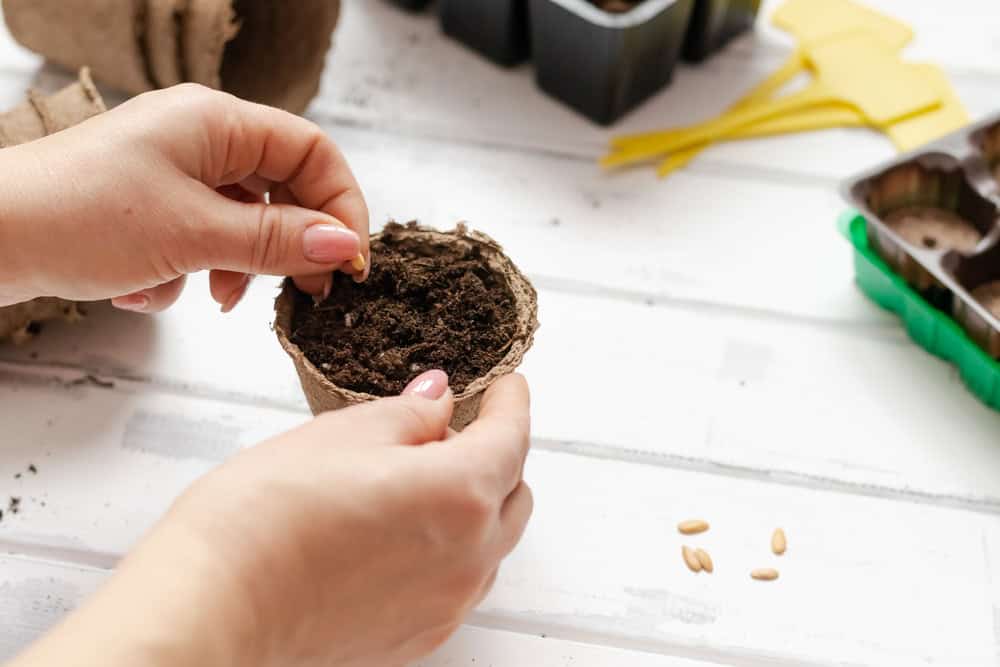
Six Tips for Successful February Seed Sowing
1. Match the temperature to the seed
Not every seed wants the same conditions. Chillies, peppers and aubergines benefit from warmth, while peas, broad beans and many hardy annuals are happier growing on in cooler conditions. Check the seed packet rather than assuming every tray belongs in a heated propagator.
2. Make light a priority
Warmth helps many seeds germinate, but light becomes particularly important once the seedlings appear.
A bright windowsill may be sufficient for a small number of hardy plants. However, tender crops sown very early often benefit from supplementary growing lights. If seedlings start leaning towards the window or developing long, weak stems, they probably need more light.
3. Use suitable seed compost
A good-quality, peat-free seed compost provides a suitable starting point for most of the seeds in this guide. Choose containers with drainage holes and avoid compacting the compost too firmly. There’s no need to add large quantities of fertiliser at the sowing stage.
4. Keep moisture under control
Seed compost should generally remain lightly moist during germination, not saturated.
Overwatering, especially in cool conditions, can encourage seeds to rot and seedlings to develop damping-off problems. Water gently and allow excess moisture to drain away.
5. Don’t rush seedlings outdoors
Even hardy seedlings benefit from gradual acclimatisation before being planted outside. This process, known as hardening off, helps young plants adjust to changes in temperature, wind and sunlight.
Tender plants must remain protected until outdoor temperatures are suitable and the risk of damaging frost has passed.
6. Sow what you have room to grow
It’s easy to get carried away when the first seed packets come out. Before sowing, consider where the seedlings will live for the next several weeks and whether you’ll have space to pot them on.
A few healthy plants are far more useful than dozens of seedlings struggling for light on an overcrowded windowsill.
Frequently Asked Questions
Is February too early to start sowing seeds?
Not necessarily. February is a useful month for starting long-season vegetables, such as chillies and aubergines, as well as several hardy vegetables and flowers under cover.
However, many crops grow just as well when sown later in spring. The best timing depends on the plant and the conditions you can provide.
Do I need a heated propagator?
No. A heated propagator is useful for warmth-loving crops, but peas, broad beans and many hardy flowers can be started without one.
If you don’t have facilities for raising tender seedlings, it’s often better to wait until March or April.
Which flowers are best to sow in February?
Sweet peas and snapdragons are particularly useful choices. Calendula and cornflowers can also be started under cover, although they’re often easier to sow directly into the garden in spring.
Can I sow vegetables directly outside in February?
In mild areas with light, workable soil, you may be able to sow broad beans and some other hardy vegetables. Most gardeners will have more reliable results by waiting for improved soil conditions or starting suitable crops under cover.
What if I don’t have a greenhouse?
A bright windowsill can be useful for starting a small number of seeds. Choose plants that suit the available light and temperature. Remember that seedlings may need moving somewhere cooler or brighter after germination, depending on the crop.
A Good Start to the Growing Season
February is a month of preparation rather than a race to get everything sown.
A few carefully chosen seeds can give you something to look forward to while the rest of the garden is still quiet. But there’s no reason to fill every windowsill or start tender vegetables before you have somewhere suitable to grow them.
Choose the plants that suit your space, pay attention to the weather and leave the rest until conditions improve. There will be plenty more opportunities as spring approaches.
A Note About Our Gardening Advice
Gardening Is Great is based in the UK, so our growing guides and seasonal advice are written with British gardens and growing conditions in mind. However, much of our advice is also useful to gardeners in other temperate climates, including parts of Europe, North America and beyond. Just remember that planting times, frost dates and growing seasons vary depending on where you live. Always adjust seasonal recommendations to suit your local climate and growing conditions.
Save This Gardening Guide for Later
Planning your garden? Save one of these pins to your favourite gardening board so you can find this guide again.
And for more seasonal growing ideas, continue with our guides:
- Your Garden in January
- Your Garden in February
- Seeds You Should Start in March
- Seeds to Sow in April
Or visit our monthly gardening guides to see what else you can do in the garden.
