
How to Grow Cherry Tomatoes: From Seed to Harvest

Learn how to grow cherry tomatoes at home, from sowing seeds and choosing the right varieties to watering, pruning, and harvesting. With practical tips for growing cherry tomatoes in pots, greenhouses, and UK gardens.
This post may contain affiliate links. Please see the affiliate disclosure for details.
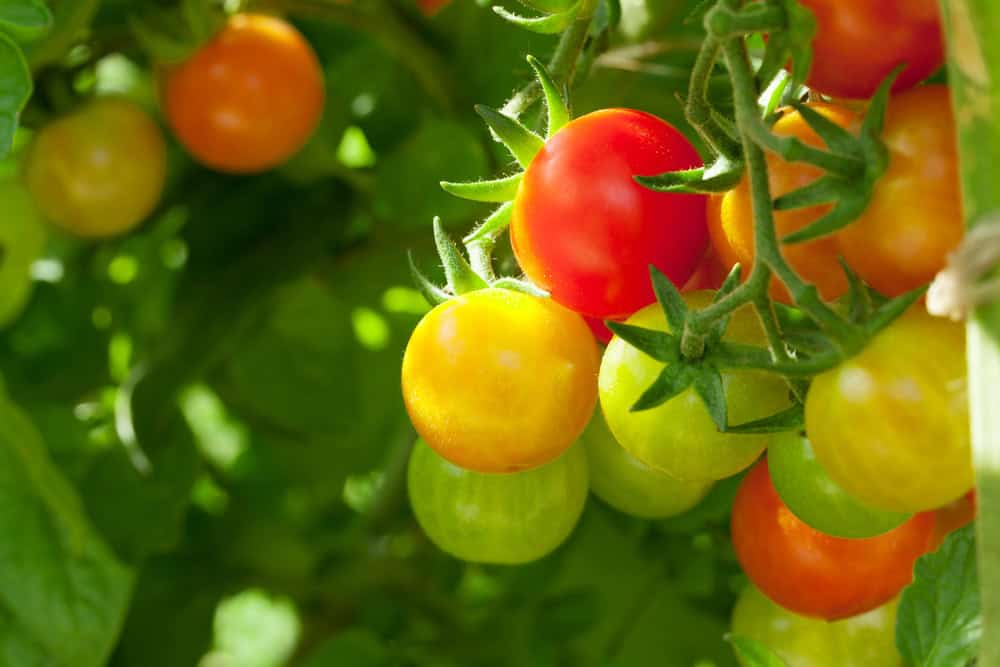
There’s something particularly satisfying about picking cherry tomatoes straight from the plant. They’re sweet, juicy and full of flavour, and if you’ve ever grown your own, you’ll know how tempting it is to eat a few before they even reach the kitchen.
Cherry tomatoes are also one of the most rewarding vegetables to grow at home. They produce plenty of fruit, come in a wonderful range of colours, and you don’t need a large garden to enjoy a good harvest.
Some varieties grow tall and need support, while others stay compact enough for patio pots and hanging baskets. That makes them an excellent choice for beginners and anyone wanting to grow food in a smaller space.
Although cherry tomatoes are relatively straightforward to grow, they do need warmth, plenty of light and consistent watering. Getting those few things right can make a real difference to how well they perform.
Here’s how to grow cherry tomatoes in the UK, from sowing your first seeds to harvesting ripe, delicious fruit throughout the summer.
Popular Cherry Tomato Varieties to Grow
Before you start growing cherry tomatoes, choose a variety that suits your available space. Cherry tomatoes come in two main growing types: cordon (indeterminate) and bush (determinate).
Cordon tomatoes grow tall and need support and regular side-shoot removal. Bush varieties are generally more compact and require much less pruning.
This distinction matters because how you care for your tomatoes depends on which type you’re growing. Here are some popular varieties to consider.
Gardener’s Delight
A traditional favourite among UK gardeners, ‘Gardener’s Delight’ produces clusters of small, red tomatoes with a sweet, rich flavour.
It’s a cordon variety, which means it needs a tall support and regular removal of side shoots. It’s particularly suitable for growing in a greenhouse or a sunny, sheltered outdoor position.
Black Cherry
‘Black Cherry’ produces attractive, dark reddish-purple fruits with a rich, sweet flavour.
It’s another vigorous cordon variety, so it needs supporting as the plant grows. The unusual fruit colour makes it a lovely choice if you enjoy growing something a little different.
Tumbling Tom
If you’re short on space, ‘Tumbling Tom’ is an excellent option. This compact, trailing bush tomato is particularly well suited to hanging baskets, patio containers and raised planters.
Unlike cordon tomatoes, it doesn’t need regular side-shoot removal, making it a convenient choice for beginners.
Sungold
‘Sungold’ is a popular cordon variety known for its small, golden-orange tomatoes and exceptionally sweet flavour.
It’s productive in suitable growing conditions, although the fruits can sometimes split if watering is inconsistent.
Growing tip: If this is your first time growing cherry tomatoes, consider choosing a compact bush variety. You’ll still get a rewarding harvest without worrying about training a tall plant.
When to Sow Cherry Tomatoes in the UK
Tomatoes need a long, warm growing season, so it’s usually best to start them indoors rather than sowing directly outside. For most UK gardeners, the ideal time to sow cherry tomato seeds depends on where the plants will eventually grow.
- Late February to mid-March: Sow indoors if you’re planning to grow tomatoes in a greenhouse.
- Late March to early April: Sow indoors for plants that will eventually grow outside.
- Late May to June: Plant outdoor tomatoes into their final position once the risk of frost has passed and conditions are reliably warm.
These are general timings. If you live in a colder or more exposed part of the UK, you may need to wait longer before planting outside.
In milder areas, you may be able to plant a little earlier, provided the weather and soil temperatures are suitable.
Avoid sowing too early unless you can provide plenty of light and warmth. Tomato seedlings started in poor light often become tall, thin and weak before they’re ready to go outside.
How to Grow Cherry Tomatoes From Seed
Growing cherry tomatoes from seed is straightforward, and it’s a great way to try varieties that aren’t always available as young plants in garden centres.
You’ll need tomato seeds, seed trays or small pots, peat-free seed compost and a warm place for germination.
Step 1: Sow Your Tomato Seeds
Fill a seed tray or small pots with moist peat-free seed compost. Sow the seeds approximately 0.5cm deep, covering them lightly with compost. Water gently so the seeds aren’t washed out of position.
Tomato seeds germinate best in warm conditions, ideally around 18–21°C. A heated propagator can be helpful, but a warm indoor position can also work well.
Step 2: Keep the Seedlings Warm and Bright
Tomato seeds usually germinate within one to two weeks when conditions are suitable. Once the seedlings appear, move them into a bright position to encourage strong, healthy growth.
A sunny windowsill can work, although seedlings may need additional lighting if natural light is limited. Turn pots occasionally if the seedlings begin leaning towards the window.
Keep the compost lightly moist rather than constantly soaking wet.
Step 3: Pot Up the Seedlings
When your seedlings have developed their first true leaves, they can be moved into individual pots. True leaves are the first leaves that appear after the initial pair of seed leaves.
Carefully lift each seedling, holding it by a leaf rather than its delicate stem. Place it into a small pot filled with peat-free multipurpose compost.
You can plant leggy seedlings slightly deeper to help support them, as tomatoes can produce additional roots along buried sections of stem.
Continue growing them in a bright, warm position until they’re ready for planting.
Step 4: Harden Off Before Planting Outside
One of the most important steps when growing tomatoes indoors is preparing them for outdoor conditions. This process is called hardening off.
Plants grown indoors aren’t immediately prepared for strong sunlight, wind and cooler night temperatures.
About 7–14 days before planting, gradually introduce your tomato plants to outdoor conditions.
Start by placing them outside in a sheltered position for a short period during the day, bringing them back indoors overnight. Increase their exposure gradually as the weather allows.
Only plant them outside permanently once the risk of frost has passed and temperatures are suitable.
How to Plant Cherry Tomatoes Outside
Once your cherry tomato plants have developed strong roots and outdoor conditions are warm enough, it’s time to move them into their final growing position.
Choose a Sunny, Sheltered Spot
Cherry tomatoes grow best with plenty of sunlight. Choose a position that receives at least six hours of direct sunshine where possible, ideally more.
A warm, south-facing garden or sheltered patio can be especially suitable. Avoid exposed positions where strong winds could damage the stems or make it difficult to support taller plants.
Prepare the Soil
Cherry tomatoes prefer fertile, well-drained soil that retains enough moisture to support healthy growth.
Before planting, remove weeds and incorporate well-rotted garden compost if the soil needs improving. This helps improve soil structure and moisture retention.
If you practise no-dig gardening, you can plant directly into a suitable layer of compost rather than digging over the bed.
Give Plants Enough Space
As a general guide, space outdoor tomato plants approximately 45–60cm apart, adjusting according to the variety’s eventual size.
Compact bush varieties may need less room, while vigorous cordon tomatoes can need more space and strong support. Always check the seed packet or plant label for the recommended spacing.
Good airflow around plants is particularly important in the UK’s often damp summer conditions.
Plant Your Tomatoes Deeply
Tomatoes can develop roots from buried sections of their stems. When transplanting, you can position the plant slightly deeper than it was growing in its original pot, leaving the lower leaves above the soil surface.
Firm the soil gently around the plant and water thoroughly. For cordon varieties, install a strong support at planting time to avoid disturbing the roots later.
How to Care for Cherry Tomato Plants
Once established, cherry tomatoes need regular attention throughout the growing season. The main jobs are watering, feeding, supporting taller plants and checking for signs of problems.
Watering Cherry Tomatoes
Consistent watering is one of the most important things you can do for your tomato plants. Tomatoes need enough moisture to support healthy growth and fruit production, but they don’t like sitting in waterlogged soil.
There’s no single watering schedule that works for every garden. A plant growing in a large container during a hot spell may need watering every day, while one growing in garden soil may need watering much less frequently.
Check the soil or compost regularly, and water as needed to maintain reasonably even moisture.
Try to water around the base of the plant rather than soaking the leaves. This helps keep foliage drier, which can reduce conditions favourable to some fungal diseases.
Growing tip: Don’t wait until tomato plants are badly wilted before watering. Repeatedly allowing the soil to dry out and then soaking it can contribute to fruit splitting and blossom end rot.
Feeding Cherry Tomatoes
Cherry tomatoes benefit from a suitable supply of nutrients, particularly once they begin producing fruit. Plants growing in containers have access to a limited amount of compost, so feeding is especially important.
Once the first fruits begin to swell, use a high-potassium liquid tomato fertiliser according to the manufacturer’s instructions. For many products, feeding approximately every 10–14 days is suitable, but always follow the label.
Tomatoes growing in fertile garden soil may need less additional feeding than container-grown plants.
Avoid applying excessive fertiliser, especially products high in nitrogen, which can encourage lots of leafy growth.
Supporting Cherry Tomato Plants
Whether your cherry tomatoes need support depends on the variety.
Cordon tomatoes grow tall and should be trained up a sturdy cane, string or other suitable support. Tie the main stem loosely to its support as it grows, leaving room for the stem to thicken.
Tomatoes don’t naturally wrap themselves around supports, so you’ll need to check and tie them in regularly.
Compact bush tomatoes generally need less support, although heavily laden stems may benefit from short canes.
Trailing varieties such as ‘Tumbling Tom’ are designed to grow over the sides of containers or hanging baskets.
Make sure any hanging basket is securely attached and strong enough to support the weight of the compost, water and mature plant.
Should You Prune Cherry Tomato Plants?
This is where knowing your tomato variety becomes especially important. Not all cherry tomato plants should be pruned in the same way.
Pruning Cordon Cherry Tomatoes
Cordon varieties, including ‘Gardener’s Delight’, ‘Black Cherry’ and ‘Sungold’, are usually trained as single-stemmed plants.
As they grow, they produce side shoots in the joints between the main stem and the leaves. These are sometimes called suckers. Check your plants regularly and remove these shoots while they’re small.
You can usually pinch them out gently with your fingers. Removing the side shoots helps keep cordon plants manageable and allows them to concentrate on developing fruit along the main stem.
Towards the end of summer, outdoor cordon tomatoes may also benefit from having their growing tip removed once around four fruit trusses have formed.
This can encourage the plant to direct more energy into ripening its existing crop before cooler autumn weather arrives.
Pruning Bush and Trailing Cherry Tomatoes
Bush tomatoes grow differently. They naturally produce multiple stems that carry flowers and fruit.
Don’t routinely remove the side shoots from bush or trailing varieties. Doing so can remove productive growth and reduce your harvest.
Instead, simply remove damaged or diseased leaves when necessary and provide support if branches become heavily laden.
For both growing types, avoid removing too much healthy foliage because leaves are essential for photosynthesis and fruit development.
How to Grow Cherry Tomatoes in Pots
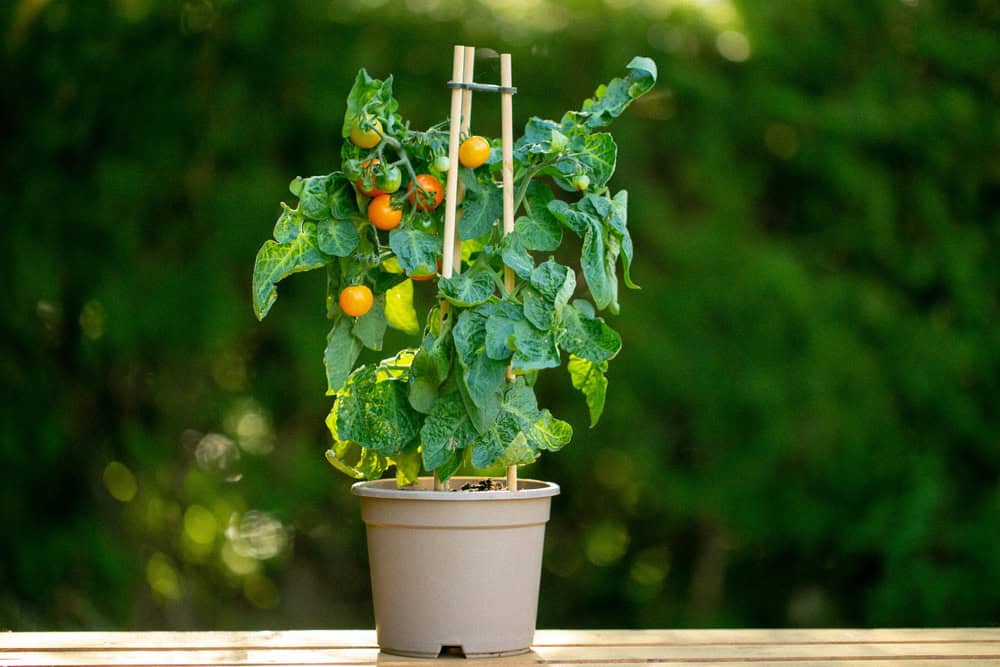
If you don’t have space for a vegetable bed, don’t worry. Cherry tomatoes are excellent container plants, provided you choose a suitable variety and give them enough room to grow.
In fact, some compact varieties are specifically bred for growing in patio pots and hanging baskets.
Choosing the Right Container
For most cherry tomatoes, a container around 30–45cm wide is a useful starting point.
Vigorous cordon varieties generally benefit from larger pots, while compact bush types can be grown in appropriately sized smaller containers. The most important thing is that the container provides enough root space and has drainage holes.
Choose a stable pot for taller varieties, as the weight of the plant and its fruit can make lightweight containers top-heavy.
Planting Cherry Tomatoes in Containers
- Choose a suitable container with drainage holes.
- Fill it with good-quality peat-free multipurpose or loam-based compost.
- Position the young tomato plant in the centre.
- Plant slightly deeper than it was growing in its original pot.
- Firm the compost gently around the roots.
- Water thoroughly.
- Add a support if growing a cordon variety.
- Place the container in a warm, sunny and sheltered position.
Keep checking the compost throughout the summer, as container-grown tomatoes can dry out quickly.
Growing Cherry Tomatoes in Hanging Baskets
Trailing varieties such as ‘Tumbling Tom’ are particularly suitable for hanging baskets. Choose a generously sized basket that can hold enough compost to support the plant.
Use peat-free compost, water regularly and position the basket somewhere sunny but sheltered from strong winds.
Because hanging baskets dry out quickly, you may need to water daily in warm weather, sometimes more often during very hot spells. Avoid allowing the compost to become completely dry.
Growing Cherry Tomatoes in a Greenhouse
A greenhouse can be particularly helpful for growing tomatoes in the UK. It provides additional warmth and protection from cold winds and excessive rainfall, often allowing plants to produce an earlier and longer harvest.
However, greenhouse tomatoes still need plenty of attention. Make sure you:
- Open vents and doors regularly for ventilation.
- Check soil or compost moisture frequently.
- Support and train cordon plants as they grow.
- Feed container-grown plants regularly once fruit develops.
- Watch for pests such as whitefly and red spider mites.
- Avoid allowing temperatures to become excessively high.
Tomato flowers are usually self-fertile, but they need pollen to move within the flower for successful fruit set. Outdoors, wind and visiting insects help with this process.
In a greenhouse, gently tapping flowering trusses can help if air movement is limited. Good ventilation also helps prevent excessively humid conditions that encourage disease.
Common Problems When Growing Cherry Tomatoes
Even healthy tomato plants can develop problems, particularly when growing conditions change. Fortunately, some of the most common issues can be prevented with consistent care.
Cherry Tomatoes Splitting
If your cherry tomatoes develop cracks or split open as they ripen, irregular watering may be responsible. When the soil becomes very dry and is then watered heavily, the fruit may absorb water rapidly and split.
Try to maintain more consistent soil moisture, particularly when the plants are carrying lots of developing fruit. Some varieties are naturally more prone to splitting than others.
Blossom End Rot
Blossom end rot causes dark, sunken patches at the blossom end of tomato fruits. It is associated with insufficient calcium reaching the developing fruit, often because watering has been inconsistent.
The problem doesn’t necessarily mean your soil lacks calcium.
Maintaining regular moisture is usually more helpful than automatically adding calcium supplements. Remove badly affected fruit and improve watering consistency to help protect the developing crop.
Tomato Blight
Tomato blight is a serious problem for UK gardeners, particularly during warm, wet weather.
Affected plants may develop brown patches on their leaves and stems, and the fruits can become discoloured and rot. Outdoor tomatoes are particularly vulnerable in unfavourable seasons.
To reduce the risk:
- Choose a warm, sheltered growing position.
- Avoid overcrowding plants.
- Keep foliage as dry as practical when watering.
- Consider varieties bred for improved blight resistance.
- Check plants regularly for suspicious symptoms.
If blight is confirmed, remove affected plant material promptly and avoid placing it on a typical cool home compost heap. Dispose of it according to local guidance.
Yellowing Tomato Leaves
Some yellowing of older, lower leaves is normal as tomato plants mature. However, widespread yellowing may indicate problems with watering, nutrients, root health or disease. Check the soil moisture and growing conditions before applying extra fertiliser.
Cherry Tomatoes Not Ripening
If your plants have plenty of green tomatoes but they’re taking a long time to ripen, cool temperatures or insufficient light may be responsible. Ripening generally slows as autumn approaches.
Make sure plants receive as much suitable light as possible and avoid unnecessary feeding that encourages excessive leafy growth late in the season.
At the end of the growing season, mature green tomatoes can be picked and ripened indoors.
When to Harvest Cherry Tomatoes
Cherry tomatoes are usually ready to harvest from mid-summer onwards in the UK, although the exact timing depends on the variety, sowing date and growing conditions.
Greenhouse-grown tomatoes often ripen earlier than outdoor plants. Rather than relying on a fixed number of days after planting, watch the fruits as they develop.
Cherry tomatoes are generally ready when they have reached their mature colour and feel firm but no longer rock-hard. Remember that not every variety turns red.
Yellow, orange and dark-coloured varieties should be judged according to their expected ripe appearance.
How to Pick Cherry Tomatoes
Check your plants every few days once the first fruits begin to colour. Gently hold each ripe tomato and detach it from the plant, ideally with its small stalk attached. Avoid pulling roughly, as this can damage the fruiting trusses.
Pick regularly throughout the growing season to enjoy the fruit at its best and reduce the risk of ripe tomatoes splitting or dropping.
What to Do With Cherry Tomatoes at the End of the Season
In the UK, cherry tomatoes are usually grown as annual crops because they aren’t frost-hardy. As temperatures fall and growth slows, plants will eventually stop producing usable fruit.
Before the first frost, harvest any remaining ripe tomatoes. Mature green tomatoes can often ripen indoors, although very immature fruit may not develop properly.
Remove spent plants once harvesting has finished. Healthy plant material can be composted, but plants affected by serious diseases such as tomato blight are best kept out of ordinary home compost heaps.
Empty containers, clean reusable pots and supports, and prepare your growing area for the following season.
How to Store and Use Homegrown Cherry Tomatoes
Fresh cherry tomatoes are at their best when eaten soon after harvesting. For the best flavour, keep fully ripe tomatoes at room temperature if you’ll be using them within a day or two.
If you need to store them longer, refrigeration can slow deterioration, although it may affect their texture and flavour. Allow chilled tomatoes to return to room temperature before serving. Cherry tomatoes are delicious in all sorts of dishes, including:
- Fresh summer salads
- Pasta dishes and homemade sauces
- Roasted vegetable trays
- Tarts and savoury pastries
- Sandwiches and wraps
- Homemade tomato salsa
If you have a particularly generous harvest, you can also cook and freeze cherry tomatoes for later.
One of my favourite things about growing small-fruited tomatoes is how easy they are to use. You don’t need a complicated recipe to enjoy them; a handful of ripe tomatoes can make even a simple lunch feel special.
Frequently Asked Questions About Growing Cherry Tomatoes
Are cherry tomatoes easy to grow?
Yes. Cherry tomatoes are generally a good choice for beginners, particularly compact bush varieties that need little pruning. They still require warmth, sunlight, regular watering and suitable feeding.
Can you grow cherry tomatoes outside in the UK?
Absolutely. Many cherry tomato varieties grow successfully outdoors in warm, sunny and sheltered positions. However, they should only be planted outside once the risk of frost has passed.
How long do cherry tomatoes take to grow?
The growing time varies by variety and conditions. Plants started indoors during spring generally begin producing ripe fruit from mid-summer onwards, with greenhouse crops often ripening earlier than outdoor plants.
Do cherry tomato plants need full sun?
Cherry tomatoes grow best in a bright, sunny position, ideally with at least six hours of direct sunlight each day. More light is generally beneficial when temperatures and watering conditions are suitable.
Can you grow cherry tomatoes in pots?
Yes. Cherry tomatoes grow very well in pots, especially compact and trailing varieties. Choose a container large enough for the mature plant, provide good drainage and water regularly.
Should I pinch out cherry tomato plants?
Only routinely pinch out the side shoots of cordon varieties. Bush and trailing cherry tomatoes should generally be allowed to develop their natural branching growth.
Do cherry tomatoes come back every year?
Tomatoes are botanically perennial in suitable frost-free climates, but they are normally grown as annuals in the UK. Most gardeners start fresh plants each spring.
Enjoy Growing Your Own Cherry Tomatoes
Growing cherry tomatoes is one of the simplest ways to enjoy fresh food from your own garden. Whether you have a greenhouse, a vegetable patch or just enough room for a patio container, there’s a cherry tomato variety to suit your space.
The key is choosing the right plant, giving it plenty of sunlight, maintaining consistent moisture, and providing the support or training it needs.
And once the first fruits begin to ripen, you’ll understand why cherry tomatoes are such a popular crop. There’s very little that beats the flavour of a freshly picked tomato, still warm from the summer sunshine.
A Note About Our Gardening Advice
Gardening Is Great is based in the UK, so our growing guides and seasonal advice are written with British gardens and growing conditions in mind. However, much of our advice is also useful to gardeners in other temperate climates, including parts of Europe, North America and beyond. Just remember that planting times, frost dates and growing seasons vary depending on where you live. Always adjust seasonal recommendations to suit your local climate and growing conditions.
Save This Gardening Guide for Later
Planning your garden? Save one of these pins to your favourite gardening board so you can find this guide again.
For more support on growing a range of tomato varieties, take a look at some of our most popular posts here:
- Common Tomato Varieties and Their Best Uses
- Top Yellow Tomato Varieties
- 11 Unique Tomato Varieties Worth Growing
- How to Extend Your Tomato Growing Season
- The Best Ways To Ripen Green Tomatoes
