
How Often To Water Tomato Plants?

Find out how often to water tomato plants in pots, grow bags and garden beds, how much water they need, and how to recognise overwatering and underwatering.
This post may contain affiliate links. Please see the affiliate disclosure for details.
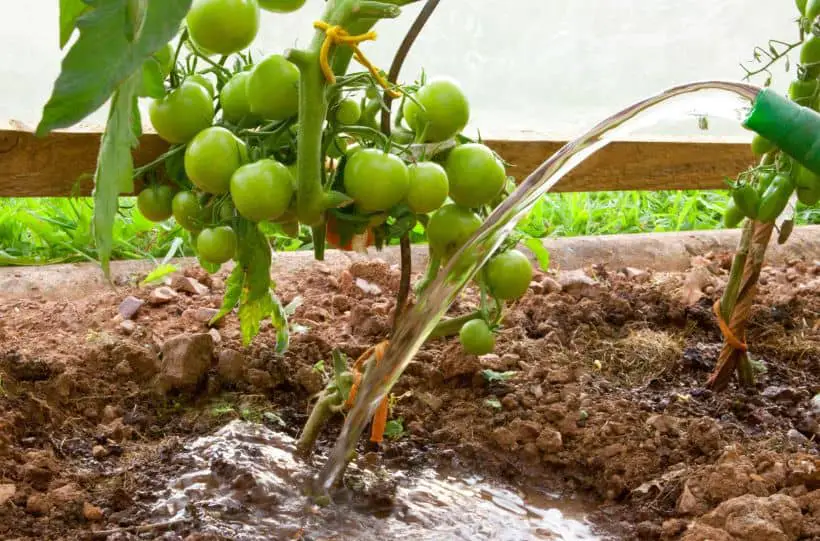
Knowing how often to water tomato plants is one of the most important parts of growing a healthy crop. Tomatoes need a steady supply of moisture to develop strong roots, healthy foliage, and plenty of juicy fruit, but giving them too much water can cause problems too.
The tricky part is that no single watering schedule works for every tomato plant. A tomato growing in a large garden bed won’t necessarily need water as often as one growing in a pot or grow bag. Weather, soil type, plant size, and growth stage all make a difference.
As a general rule, tomato plants need consistently moist soil or compost, rather than being allowed to dry out completely or sit in waterlogged conditions.
In this guide, we’ll look at how often to water tomato plants, how much water they need, the best time of day to water them, and how to recognise the signs of overwatering and underwatering.
How Often Should You Water Tomato Plants?
Water tomato plants whenever the soil or compost begins to dry out; watering frequency depends on where they are growing. For example:
- Tomatoes growing in the ground: Usually need less frequent watering than container-grown plants because their roots can access moisture from a larger area of soil.
- Tomatoes growing in pots: May need watering daily in hot weather, especially when the plants are large and bearing fruit.
- Tomatoes growing in grow bags: Need regular checks because the limited amount of compost can dry out quickly.
- Tomatoes growing in a greenhouse: Often need more frequent watering during warm weather because temperatures can rise considerably, even when it isn’t particularly hot outside.
Rather than automatically watering every day, check the soil or compost first. Push your finger about 5cm (2 inches) into the soil or compost. If it feels dry at that depth, it’s probably time to water. If it still feels moist, check again later rather than adding more water unnecessarily.
Remember that the surface can look dry while the soil underneath is still damp, so don’t rely on appearance alone.
How Much Water Does a Tomato Plant Need?
Tomato plants need enough water to reach their roots and keep the surrounding soil consistently moist.
However, there isn’t a fixed amount that every tomato plant needs each day. A young plant in a small pot uses considerably less water than a mature plant in a large container or greenhouse border.
The key is to water thoroughly enough to moisten the root zone without leaving the roots sitting in saturated soil.
For tomatoes in containers, water slowly until excess water drains through the holes in the bottom of the pot. Empty any water collected in a saucer so the roots aren’t left standing in it.
For tomatoes growing in the ground, water slowly around the base of the plant so moisture soaks down to the roots rather than running off the surface.
A consistent supply of moisture is especially important once flowers form and fruits begin to develop. Letting the soil dry out and then soaking it heavily can contribute to problems such as splitting and blossom end rot.
How Often Should You Water Tomato Plants in Different Growing Conditions?
The growing environment makes a big difference to how quickly tomato plants use water.
Tomatoes growing in the ground
Tomatoes planted directly into garden soil generally need less frequent watering than those grown in pots.
Their roots can spread into a larger volume of soil, allowing them to access moisture beyond the immediate area around the stem.
Check the soil regularly, particularly during dry spells. If the soil around the root zone is becoming dry, give the plants a thorough watering.
Sandy soil drains more quickly than heavier soil, so you may need to check it more often. Adding organic matter and applying mulch can help improve moisture retention.
Tomatoes growing in pots
Tomatoes grown in pots need closer attention because containers hold a limited amount of compost.
During warm, sunny weather, a mature tomato plant in a pot may need watering every day. Smaller pots can dry out particularly quickly, while larger containers generally hold moisture for longer.
Check the compost before watering, rather than assuming the plant needs another drink simply because it is a warm day.
Make sure your pots have drainage holes and use a suitable peat-free growing medium.
Tomatoes growing in grow bags
Grow bags are a popular way to grow tomatoes, particularly in greenhouses and smaller gardens.
However, the relatively small amount of compost means they can dry out quickly, especially once the plants become established.
Check the compost regularly and water slowly so that moisture reaches the roots. Avoid allowing the compost to become completely dry between waterings.
If several tomato plants are growing in one bag, remember that they will all be drawing moisture from the same limited amount of compost.
Tomatoes growing in a greenhouse
Greenhouse temperatures can rise quickly, increasing the amount of moisture tomato plants lose through their leaves.
This means greenhouse tomatoes often need more frequent watering than outdoor plants, particularly during sunny summer weather.
Check the soil or compost daily during warm spells, paying particular attention to plants growing in pots and grow bags.
Good ventilation is also important. Open greenhouse vents and doors when appropriate to prevent excessive heat and humidity.
When Is the Best Time to Water Tomato Plants?
The best time to water tomato plants is usually early in the morning. Morning watering gives the plants access to moisture as temperatures rise throughout the day. It also allows any splashes on the foliage to dry more quickly.
You can also water in the evening if needed, especially during hot weather when the soil has dried out. However, try to water the soil around the base of the plant rather than soaking the leaves.
Avoid making midday watering your regular routine, as water evaporates faster in hot, sunny conditions.
The most important thing is not to leave a plant struggling with dry soil simply because you’ve missed your usual watering time.

What Is the Best Way to Water Tomato Plants?
The best way to water tomatoes is to water slowly and directly at the base of the plant. This allows the water to soak into the soil and reach the roots, rather than being wasted on the foliage. Here are some useful watering tips:
- Water at the base: Direct water towards the soil around the plant rather than spraying the leaves.
- Water slowly: Allow the water time to soak into the compost or soil instead of rushing across the surface.
- Water deeply: Aim to moisten the root zone rather than giving the plant a quick splash.
- Use mulch: A layer of suitable organic mulch can help reduce moisture loss from the soil.
- Check drainage: Make sure excess water can drain away freely, especially when growing tomatoes in containers.
- Keep watering consistent: Try to avoid allowing the soil to become very dry before giving it a large amount of water.
A drip irrigation system or soaker hose can be useful if you grow several tomato plants, as it delivers water directly to the soil.
Can You Overwater Tomato Plants?
Yes, tomato plants can be overwatered. Although tomatoes need regular moisture, their roots also need access to oxygen. When soil remains waterlogged for too long, the roots can become damaged and may begin to rot.
This makes it harder for the plant to take up the water and nutrients it needs.
Overwatering is more likely when plants are growing in poorly drained soil, containers without adequate drainage, or compost that is being watered too frequently.
If you think you have overwatered your tomato plants, stop watering until the excess moisture has drained away and the soil begins to dry slightly.
Check that the container has drainage holes and that water isn’t collecting underneath it.
If the plant is growing in the ground, check whether the soil is compacted or waterlogged. Improving drainage and avoiding unnecessary watering will help prevent the problem from continuing.
What Are the Signs of Overwatered Tomato Plants?
Overwatering can be hard to identify because some symptoms overlap with those of underwatering. Common signs include:
- Yellowing leaves: Leaves may begin turning yellow, particularly lower down the plant.
- Wilting: The plant may look droopy even though the soil is wet.
- Soft or damaged roots: Roots affected by prolonged waterlogging may become brown, soft, or mushy rather than firm and healthy.
- Poor growth: A plant with damaged roots may struggle to grow properly.
- Leaf problems: Leaves may develop unusual spots, swellings, or blisters when the plant is taking up more water than it can use.
Don’t assume that yellow leaves or wilting automatically mean your plant needs more water. Check the soil first. If it is already wet, adding more water could make the problem worse.
Can a Tomato Plant Recover From Overwatering?
Yes, a tomato plant may recover from overwatering, especially if you catch the problem early and the roots haven’t suffered serious damage.
First, stop watering temporarily and let excess moisture drain away. For container-grown plants, check the drainage holes and remove any standing water from saucers or trays.
For plants growing in the ground, avoid adding more water until the soil has started to dry. If the area regularly becomes waterlogged, you may need to improve the drainage or grow future plants in a raised bed or suitable container.
Don’t immediately dig up the plant and remove its roots. This can cause additional damage, particularly if the roots are still healthy.
Instead, give the plant time to recover and watch for signs of new growth. If the roots have been badly affected by rot, recovery may be more difficult.
What Are the Signs of Underwatered Tomato Plants?
Tomato plants that aren’t receiving enough water will often show signs of stress, particularly during hot or dry weather. Look out for:
- Wilting leaves: Leaves and stems may droop, especially during the hottest part of the day.
- Dry compost or soil: The soil around the roots feels dry when you check below the surface.
- Curling leaves: Leaves may curl upwards or inwards as the plant responds to heat and water stress.
- Dry or brown leaf edges: Prolonged water stress can dry out and brown leaf edges.
- Poor fruit development: Inconsistent moisture can affect fruit development and contribute to splitting or blossom end rot.
One important point is that wilting can also happen when a plant is overwatered and its roots are damaged. Always check the soil before deciding whether to water.
If the soil is dry, give the plant a thorough watering. If it has become extremely dry, water gradually so that the moisture has time to soak in.
Can Tomato Plants Recover From Underwatering?
Tomato plants can often recover from underwatering if you address the problem before the plant suffers severe damage. Check the soil and water thoroughly around the base of the plant.
For container-grown tomatoes, continue watering until excess water drains through the bottom of the pot.
If the plant has been growing in very dry soil, avoid trying to compensate with repeated small splashes of water. Instead, water properly and let the compost absorb the moisture.
Applying a layer of mulch around tomatoes growing in the ground can also help reduce evaporation and keep moisture levels more consistent.
Remove leaves that are completely dead or badly damaged, but don’t prune healthy foliage unnecessarily.
Why Are My Tomatoes Splitting?
Tomato fruit can split when the plant takes up water faster than the fruit can accommodate the resulting increase in moisture.
This commonly happens when a period of dry soil is followed by heavy rainfall or a sudden increase in watering. As the fruit expands and takes up water, its skin may split. To help prevent this problem:
- Keep soil moisture as consistent as possible.
- Avoid allowing plants to become extremely dry before watering.
- Water containers regularly during hot weather.
- Apply mulch around plants growing in the ground.
- Harvest ripe fruit promptly, particularly before heavy rainfall.
Some tomato varieties are also more prone to splitting than others, so choosing suitable varieties can help.
Can Inconsistent Watering Cause Blossom End Rot?
Yes, inconsistent watering can contribute to blossom end rot.
Blossom end rot is a condition where the bottom of a developing tomato develops a dark, sunken patch. It is associated with insufficient calcium reaching the developing fruit.
Although calcium may be present in the soil, moisture fluctuations can interfere with the plant’s ability to transport enough calcium to developing fruit. This is why maintaining consistent soil moisture is particularly important when tomatoes are flowering and fruiting.
Other factors, including poor soil conditions and excessive fertilizer, can also contribute.
The best way to reduce the risk is to keep the soil consistently moist, avoid excessive nitrogen feeding, and grow tomatoes in suitable, well-drained soil.
If you notice blossom end rot, remove affected fruit and concentrate on maintaining more even soil moisture for the remaining crop.

Final Thoughts
Tomato plants need regular watering to grow well, but the amount and frequency will depend on where they are growing and the conditions around them.
Tomatoes in pots and grow bags often need more frequent watering than those planted directly into the ground, particularly during hot summer weather.
The best approach is to check the soil or compost regularly, water thoroughly when needed, and avoid allowing the roots to sit in waterlogged conditions.
With a little attention and a consistent supply of moisture, you can help your tomato plants stay healthy and produce a lovely crop of homegrown tomatoes.
For more tomato-growing advice, take a look at these guides:
