
Companion Planting Guide: Benefits, Combinations, and Tips for a Healthier Vegetable Garden
Learn how companion planting can help you grow a healthier, more productive vegetable garden. Discover the benefits of companion planting, popular plant combinations, and tips for attracting pollinators, reducing pests, and maximizing garden space.

This post may contain affiliate links. Please see the privacy policy for details.
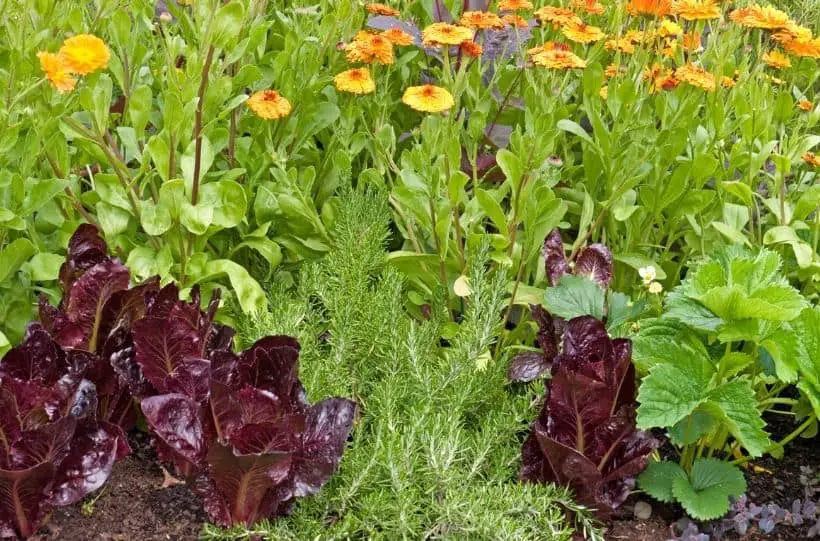
Companion planting is one of the easiest ways to create a healthier, more productive vegetable garden naturally.
By growing certain vegetables, herbs, flowers, and fruits together, gardeners can attract pollinators, deter pests, improve soil health, and make better use of available growing space.
Whether you’re planning a small raised bed garden or a large vegetable patch, companion planting can help you grow stronger plants and bigger harvests with less effort.
In this guide, you’ll learn what companion planting is, its benefits, common companion planting combinations, and how to use companion planting successfully in your own garden.
What is Companion Planting?
Companion planting is the practice of planting compatible plants together so that one crop can benefit from the other.
Companion planting is not a new concept and has been around for centuries. Some Native American tribes are famous for their companion planting technique, as taught through the story of the Three Sisters.
You can use companion planting in your garden today to make the most of your space and grow the best crops possible.
To understand companion planting, you have to appreciate that each crop has different needs. As a gardener, understanding these needs and using companion planting to provide them to plants for maximum yield is part of good gardening practices.
And for gardeners with limited space, this can be a useful strategy for getting more from their garden.
What are the Benefits of Companion Planting?
Companion planting is a great way to grow more food in less space and to help protect your crop from damage.
Traditional row gardening makes it easy for pests and diseases to spread from plant to plant. By planting plants farther apart, with other plants in between, you reduce the risk of losing your entire crop.
When you put plants that grow well together in the same space, you make it easier to get more food from your garden without expanding it, making this a great option for people who need to work a bit harder to fit everything they want or need to grow into a confined space.
To make the most of your garden, you can use companion planting to encourage more plant growth, protect it from pests, attract pollinators, and provide shelter or shade for more vulnerable plants. Some of the key benefits include:
Companion Planting Saves Space
You can save space in your garden by planting different types of crops with different physical dimensions and characteristics. You will be replicating a natural environment where all kinds of plants coexist in a small piece of land.
For instance, you can plant chard and coastal star romaine lettuce in the same space. Chard will grow tall (at least 3 feet), while lettuce will stay compact and close to the ground. When you plant chard and lettuce in the same space, you will maximize the use of space that would otherwise be left empty.
It Provides a Natural Living Mulch
The soil is kept covered by using all the available garden space. This eliminates erosion from excessive rainfall. It also reduces instances of soil drying out due to excessive heat.
When the plants grow up and fill the space, they act as living mulch. The mulch will also stifle any weeds trying to establish themselves in the garden by blocking access to light.
Companion Planting Helps to Control Pests and Diseases
When you plant rows of a single type of crop (monoculture), you risk exposing the garden to pests and disease-carrying insects. These pests can attack your entire garden in one big group and cause devastating damage. A mixed crop garden is less attractive to pests.
Companion planting helps to control pests in several ways.
- As deterrents: Some crops will be attractants to the pests. This keeps the companion crops free of pests. Nasturtium is a great companion plant for broad beans because blackflies will feast on the plant and ignore the beans.
- As repellents: Crops such as onions and garlic repel many types of insects and pests. This keeps your other vegetables free and clear. Garlic has a strong, pungent odor that confuses pests and masks the odors of other companion crops. It is very effective in controlling aphids.
- As trap crops: Some crops are grown solely to attract predatory pests or insects. These plants are called trap crops. When these pests find these crops in the garden, they concentrate on feeding on them, leaving the other vegetables free to blossom.
Eggplants, for instance, attract hoverflies that feed on aphids that may attack lettuce. Borage attracts pest-eating wasps and bees, making the plant a great companion for tomatoes. Crimson clover attracts spiders that eat pests, making it a great companion plant for broccoli.
Companion Planting Attracts Pollinators
By using a mix of annuals, perennials, and biennials, you will have plants blooming in your garden throughout the year. Besides the aesthetic benefit, this presents, most of these plants and flowers will attract bees and other pollinators that will help propagate your vegetables.
A diverse inter-planted garden is more productive than a single-crop garden. Each crop works in unison for the greater good.
Companion Planting Offers Shade and Support
One great way to take advantage of this benefit in your garden is to plant spinach with strawberries to help hide the berries from the birds and protect your harvest.
Tall-growing plants, such as sunflowers, provide support for plants like cucumbers and climbing beans. When you plant multiple crop combinations (squash, corn, and beans), the squash leaves help to smother weeds.
Beans and corn help to get rid of the squash vine borers. Bean vines use corn as support. The beans also fix nitrogen in the soil. Other companion crops that also provide vertical support to others include sunflowers, okra, roselle hibiscus, and tithonia.
Companion Planting Offers a Nutrient Boost and Improves Soil Health
Legumes such as beans and peas are great at fixing nitrogen in the soil. When you plant potatoes with beans, the potato tubers grow bigger because of the nitrogen boost.
Borage also adds trace minerals to the soil, which improves the flavor and growth of strawberries. In other cases, some plants may absorb certain harmful substances from the soil.
How to Companion-Plant Your Garden
To start companion planting in your garden, make a list of what you want to grow and do some basic research on each plant’s needs to find the right combinations to make the most of your garden space. Vegetables, flowers, perennials, herbs, and fruits can all be good companion plants.
Best Herbs for Companion Planting
Herbs are some of the most useful companion plants because they attract pollinators, encourage beneficial insects, and may help deter certain garden pests.
- Basil
Popular companion for tomatoes and peppers
Attracts pollinators - Dill
Attracts beneficial insects
Often planted near cucumbers - Thyme
Low-growing herb that attracts pollinators - Parsley
Supports beneficial insects and pollinators
Best Flowers for Companion Planting
- Marigolds
Popular for attracting beneficial insects - Alyssum
Attracts hoverflies and pollinators - Sunflowers
Provide vertical support and attract pollinators - Cosmos
Draw bees and butterflies into the garden
Each plant is different, so starting with your garden list and going from there is the best way to plan and can help keep you busy over the winter while you wait for the weather to turn.
When you learn about how different types of crops grow, you can plant crops that will benefit from each other. You can plant your companion plants from seeds or add crops to an already established garden.
A few ways you can use companion planting to help your garden grow and thrive include putting plants that grow well together in close proximity, like placing green bean trellises behind your tomato plants on the north side, and lining the edges of your garden beds with marigolds.
Another companion planting option that helps increase your garden’s yield is to plant closer together using the square foot gardening method, placing compatible plants in squares next to each other. Allowing plants to act as living mulch to prevent weeds reduces the amount of work needed to maintain your garden and increases its yield.
How to Companion Plant to Encourage Growth
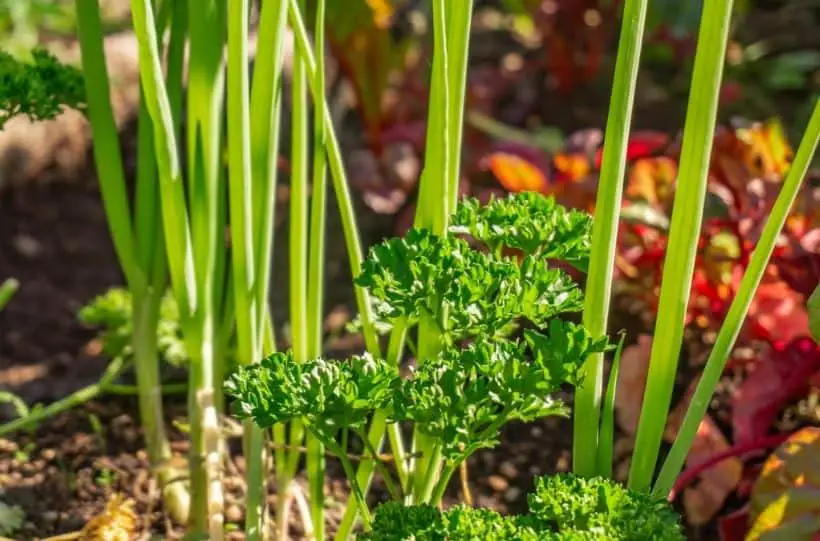
Companion planting certain crops together is a great way to improve garden health, encourage growth, and maximize harvests.
Growing tomatoes and basil together is known to improve the flavor of tomatoes. And growing green beans with tomatoes is a great way to increase tomato yields. Adding a border of marigolds can attract pollinators and beneficial insects, add biodiversity and color to the garden, and help repel unwanted insects. This combination can help get an amazing yield from a single garden bed.
A well-known companion planting combination called the Three Sisters is a trick Native Americans used to get the most from their gardens.
They would grow corn, beans, and squash together. The corn would grow tall and become a living trellis for the beans, while the squash would grow along the bottom of the beds, creating a living mulch to help reduce weeds. The entire process allows for all 3 crops to grow together in the same shared space for a larger yield.
How to Rotate Companion-Planted Garden Beds
Many gardeners who decide to practice companion planting wonder how to rotate their garden beds each year. For the best results when companion planting, you should rotate your plants across the entire garden bed, not just within it.
This allows all the plants in your garden beds to have fresh soil that doesn’t have the nutritional issues or pests and diseases from the plants grown in the beds the year before.
If you are growing the same plant in more than one garden bed, try to move your rotation in a way that would avoid the same plant being in the same bed as the last season, if at all possible.
For larger gardens, a great way to help get this rotation is to grow a cover crop that will help improve the soil while still giving you a yield for your time and space. Legumes make a great cover crop.
If you have no choice but to rotate plants through the same garden bed due to poor planning, be sure to add extra compost or topsoil to help replenish what your plants may need to help ensure you have a healthy, thriving garden.
Common Companion Planting Combinations
There are thousands of possible combinations of companion planting. The chart below offers a glimpse into some of the most popular combinations.
| Crop | Best companions | Companions to avoid |
| Beans – as a legume, beans help to add nitrogen into the soil | Cabbages, carrots, corn, cucumber, marigold, cauliflower | Chives, onions, leeks, shallots, green onions |
| Asparagus | Sage, tomatoes, marigolds, basil, thyme, parsley, oregano, asters, peppers | Chives, onions, leeks, shallots, potatoes |
| Beets | Asparagus, sage, radishes, garlic, onion, broccoli, mint, cauliflower, lettuce, corn | Field mustard |
| Basil | Asparagus, peppers, tomatoes, eggplants, oregano | Sage |
| Broccoli | Rosemary, beets, celery | Oregano, eggplants, peppers, tomatoes, strawberries |
| Cucumber | Pea, celery, lettuce | Cauliflower, potatoes, basil |
| Eggplants | Beans, peppers, spinach, potatoes | Cauliflower, corn |
| Cabbage | Potatoes, chamomile, onion, sage, celery, rosemary, beets | Oregano, strawberries, peppers, eggplants, tomatoes |
| Cauliflower | Sage, chamomile, onion, rosemary, beets, dill, celery | Oregano, eggplants, peas, potatoes, peppers, tomatoes, strawberries |
| Onions | Broccoli, cauliflower, tomatoes, kale | Peas, beans |
| Peas | Corn, cucumber, beans, carrots | Garlic, chives, onions |
| Potatoes | Cabbage, peas, eggplants, corn | Sunflowers, zucchini, cucumber, pumpkin |
| Peppers | Parsley, basil, carrots, eggplants, tomatoes | Fennel |
| Lettuce | Radishes, beets, garlic, strawberries, carrots | Parsley, beans |
| Garlic | Cucumbers, lettuce | – |
| Strawberries | Thyme, peas, spinach, lettuce, garlic | Fennel |
| Tomatoes | Beans, asparagus, peppers, lettuce, chives, cucumbers, carrots, celery, basil, marigolds, mint, onion, parsley, borage, bee balm | Fennel, corn, dill, potatoes |
| Carrots | Eggplants, chives, peas, tomatoes, beans, onions | Dill, parsnip, chives |
The most famous companion planting of corn, pole beans, and squash or pumpkins is always successful and a great way to make the most of your garden beds. This combination does very well on the north side of your garden without risking shading the rest of your garden.
Tomatoes or eggplants with lettuce and cold-weather greens. As your tomato plants grow tall and strong, they will naturally provide shade for your lettuce and salad greens, which are cold-weather plants and do not do well with the summer heat. This can help extend your growing season for these crops, helping to make the most of your garden space.
Tomatoes and basil are among the most popular companion planting combinations because they have similar growing requirements and grow well together in the same garden bed. Basil also attracts pollinators and beneficial insects, making it a favorite companion plant for tomatoes. The strong scent may help confuse or deter certain garden pests.
Pole beans and potatoes make a great combination. Potatoes are heavy-feeding plants that produce many vines along the ground. While pole beans are naturally nitrogen-fixing and will easily grow up a trellis, where they will be out of the way of the potatoes. The roots of beans are shallow and will not get in the way of the potatoes’ deep root system.
For cabbage, cauliflower, and broccoli, avoid planting too many brassicas in one area.
Green onions have a shallow root system and do not mind having the tomatoes take up the largest section of the garden when they are planted together.
What Plants Should Not Be Companion Planted?
From the chart above, you can see that not all companion planting works great. While companion planting is a great way to maximize space and improve the yield of your garden, some plants are not a good choice for companion planting with others.
Broccoli and cauliflower are heavy feeders that require adequate spacing and nutrients to thrive. While they can be companion-planted successfully, care should be taken not to overcrowd them.
To maximize your yields, use the outer edges of your bed for planting flowers and herbs that will protect your broccoli and cauliflower.
Avoid planting highly fragrant or flavorful foods like strong herbs with less flavorful options that may pick up the scents and flavors from nearby plants, or ones that would not blend well if flavors were mixed, like planting cucumbers with strongly scented herbs.
If you save seeds from your garden, it’s important to be aware of cross-pollination. Some plants in the same family can cross-pollinate, which may result in offspring that don’t grow true to type the following season. This is most important for gardeners who collect and save seeds for future planting.
Some plants are known to have allelopathic properties, meaning they interact with other plants, stunting their overall growth. Cases like this include planting strawberries near cabbage plants, and onions and garlic near bean plants.
Avoid planting two of the same heavy-feeding type together. The stronger plant most often ends up stunted, while larger plants will thrive. Planting two heavy feeders that both enjoy a different type of nutrient, such as one that thrives on potassium, while another focuses on nitrogen, can be beneficial in getting the most from your garden.
Fennel and black walnut plants release chemicals that inhibit the growth of surrounding plants.
Also, be cautious of the location when planting. Some plants do well in full sunlight, while others can tolerate some shade. When you understand your plants’ requirements for growth, you will be able to know the kind of companion plant that would be best suited for them.
Common Companion Planting Myths
Myth #1: Companion Planting Works Like Magic
Companion planting can improve biodiversity and encourage beneficial insects, but it won’t completely eliminate pests or plant diseases.
Myth #2: Every Companion Plant Chart Is the Same
Different gardeners use different observations and growing conditions. What works in one climate may not work in another.
Myth #3: Companion Planting Replaces Good Garden Care
Healthy soil, proper watering, crop rotation, and sunlight remain the most important factors in a successful vegetable garden.
Frequently Asked Questions
What is the best companion plant for tomatoes? Basil, marigolds, parsley, carrots, onions, and borage are among the most popular tomato companion plants.
Does companion planting really work? Companion planting can help improve biodiversity, attract beneficial insects, and make better use of garden space, though results vary depending on conditions.
Can flowers be used as companion plants? Yes. Flowers such as marigolds, zinnias, cosmos, alyssum, and sunflowers are commonly used to attract pollinators and beneficial insects.
What plants should never be planted together? Some commonly avoided combinations include beans and onions, fennel near most vegetables, and potatoes near tomatoes due to shared disease risks.
Is companion planting scientifically proven? Some companion planting practices are supported by research, such as attracting pollinators and beneficial insects through plant diversity.
Other traditional companion planting combinations are based largely on gardeners’ observations and experience. Results can vary depending on climate, soil conditions, and the crops being grown.
Companion Planting Guides by Crop
So now that you know how companion planting works and why it’s beneficial, how do you know what plant combinations work or not? Check out the in-depth companion planting guides for many common garden crops below:
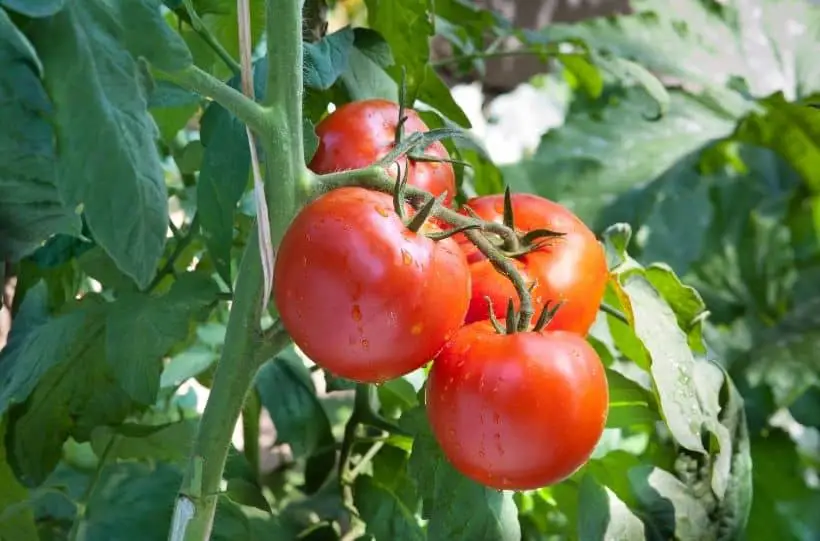
Best Companion Plants for Tomatoes in Your Vegetable Garden – Boost your tomato production without any extra work.
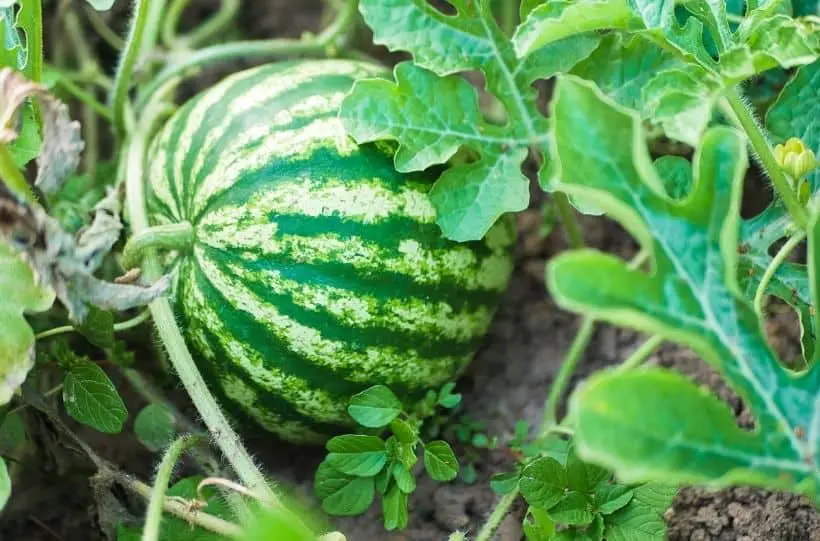
Best Companion Plants for Watermelons – Watermelons make amazing companion plants due to their ability to act as a living mulch for your taller plants.
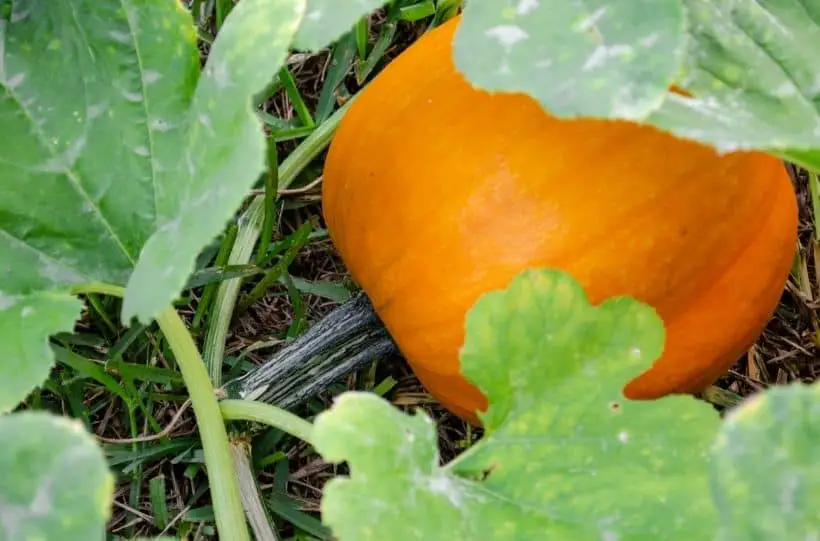
Best Companion Plants for Pumpkins – These companion plants for pumpkins offer support through nutrients, pest control, and pollinator attraction.

Best Companion Plants for Corn – These companion plants help provide essential nutrients, deter pests, and ensure a successful harvest.
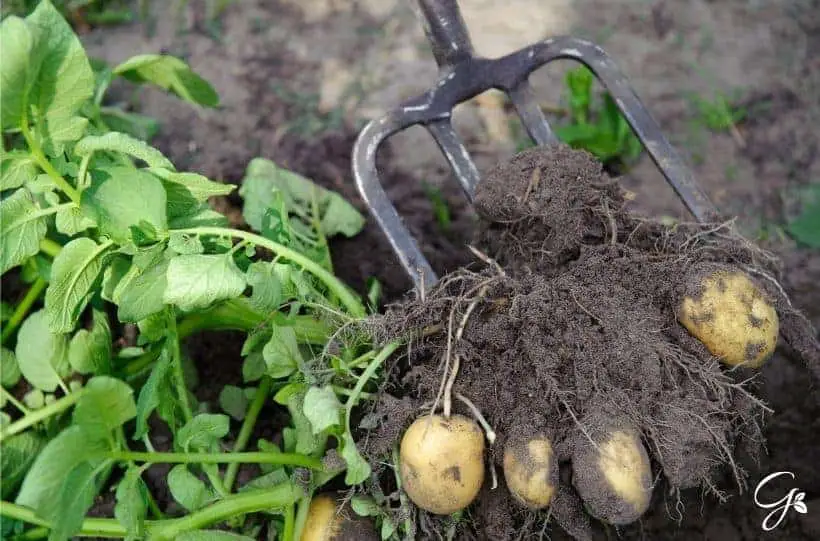
Best Companion Plants for Potatoes – Companion planting potatoes helps create biodiversity that helps your potatoes thrive better than on their own.
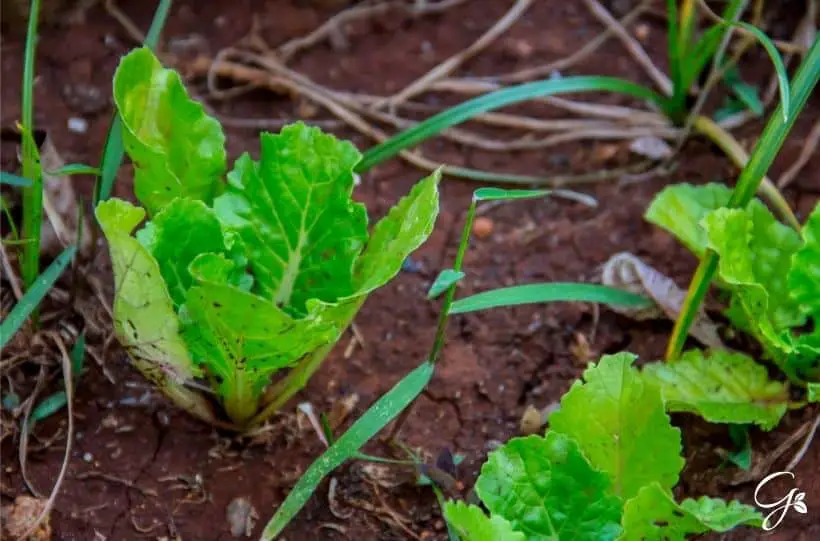
Best Companion Plants for Kale – Kale makes a great companion plant in the garden. It can help break up sections of plants together to help prevent the spread of diseases and pests.
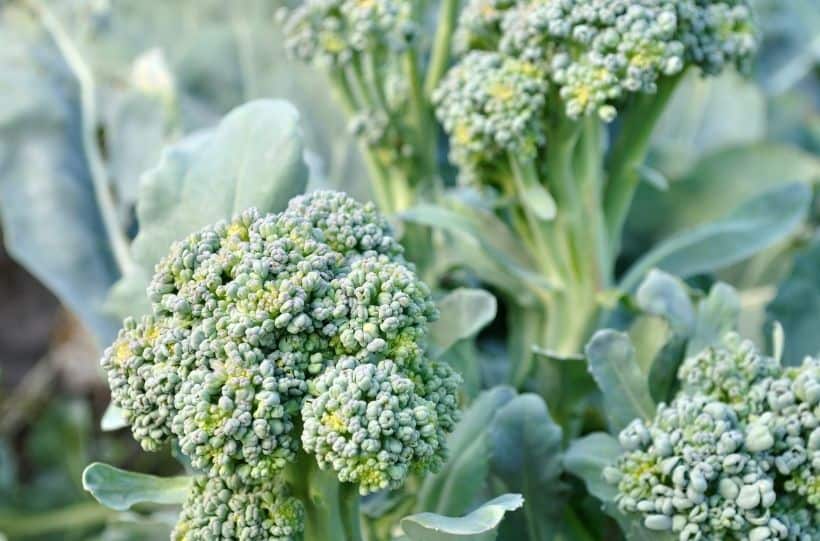
Best Companion Plants for Broccoli – Companion planting with broccoli is easier than it seems when you are willing to put some planning into your garden beds.
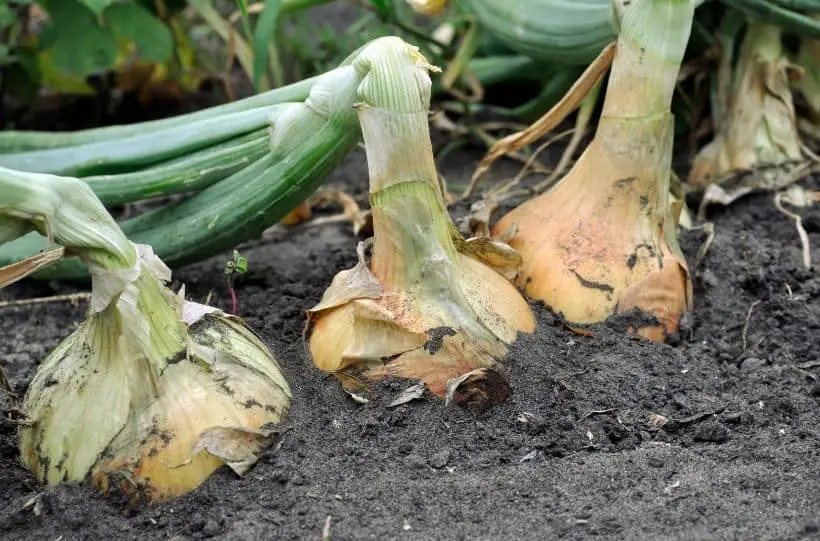
Best Companion Plants for Onions – Onions make a great companion plant for other plants because their strong scent helps repel unwanted insects and pests from your garden beds.
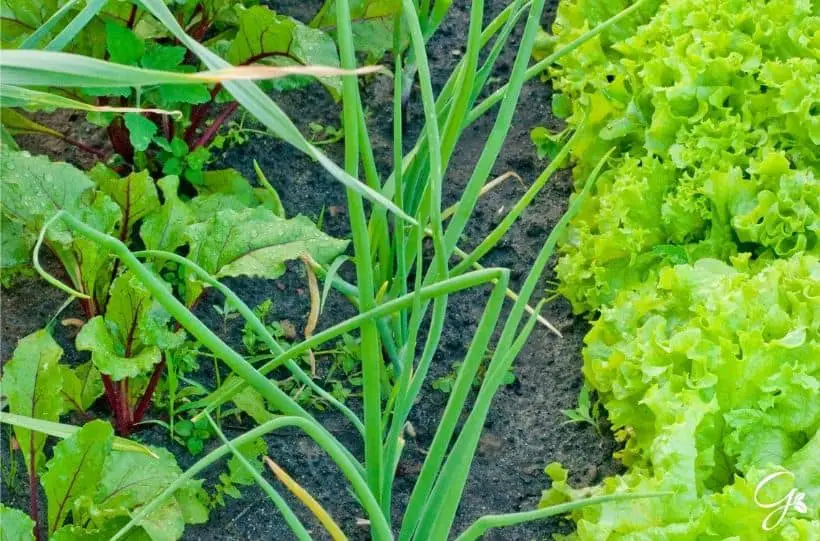
Best Companion Plants for Beets – Beets get along well with a wide variety of plants and can help diversify your garden, helping to protect against pest damage and slow the spread of disease.
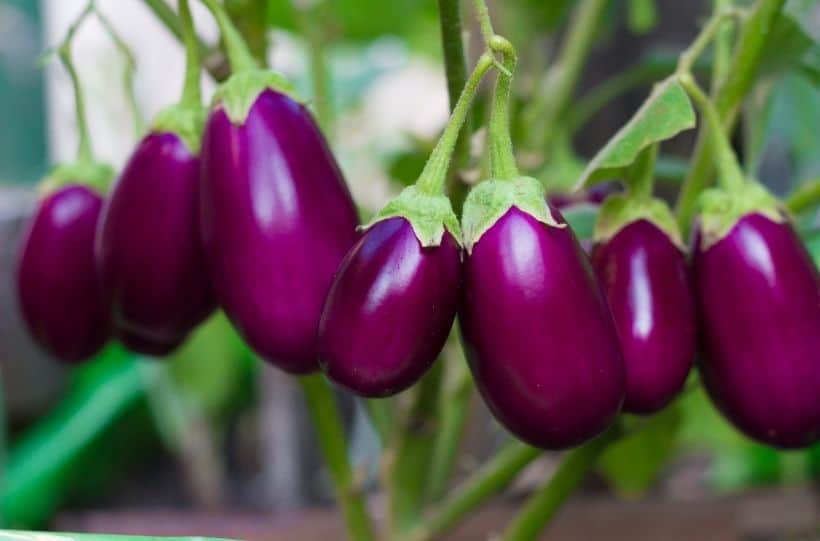
Best Companion Plants for Eggplants – Companion planting with eggplants is a great way to ensure your plants have healthy soil and protection from pests.
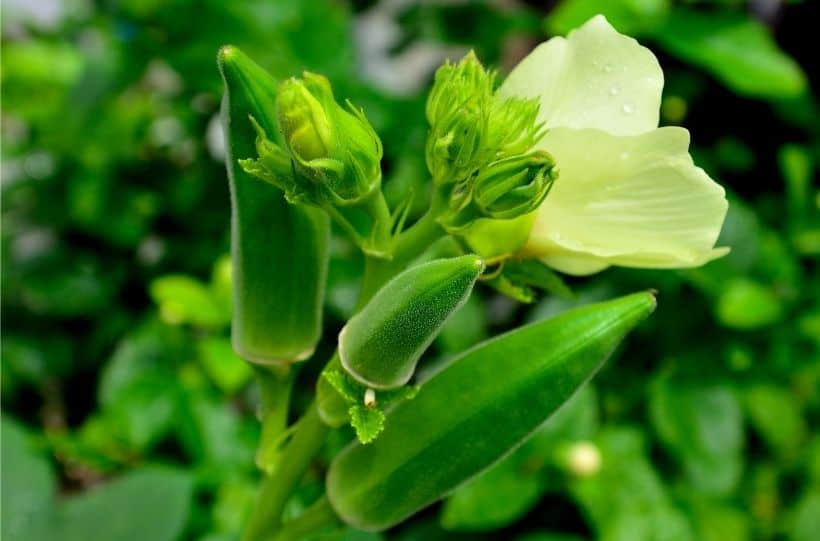
Best Companion Plants for Okra – Okra is a great vegetable to plant in your companion garden because it gets along with most other plants and can even help them grow.
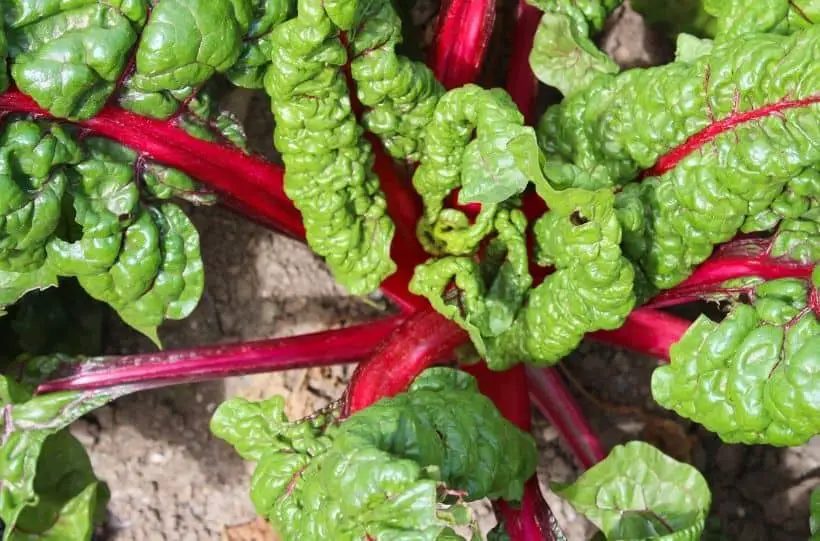
Best Companion Plants for Swiss Chard – Companion plant your swiss chard to offer additional nutrients and reduce the number of pests attacking your crop for a successful harvest.
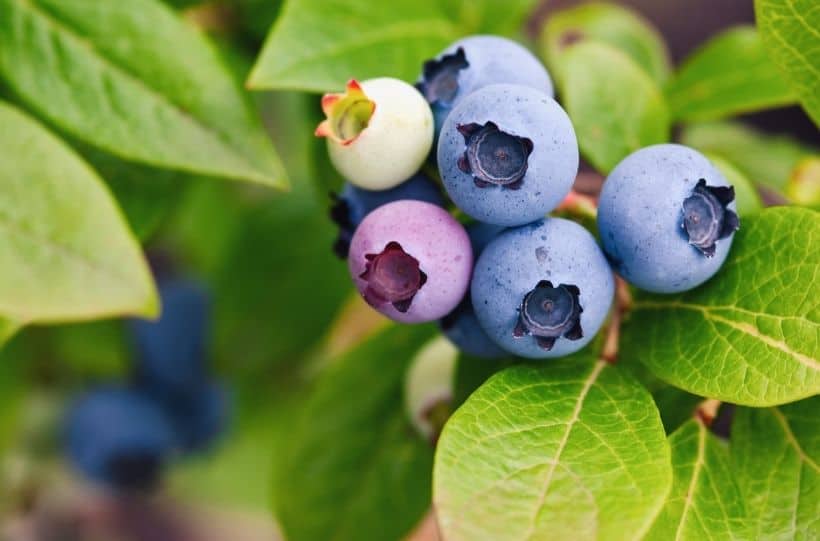
Companion Plants for Blueberries – Discover the best flowers, herbs, and shrubs to grow alongside blueberry bushes for healthier plants and improved pollination.
Final Thoughts
Companion planting is a simple way to create a healthier, more productive vegetable garden. By pairing compatible vegetables, herbs, flowers, and fruits, you can attract pollinators, improve biodiversity, make better use of available space, and reduce common gardening challenges.
While companion planting isn’t a substitute for good soil, proper watering, and regular garden maintenance, it can be a valuable tool for growing stronger plants and enjoying bigger harvests throughout the season.
Start with a few proven companion planting combinations and experiment to discover what works best in your own garden.
