
Deadheading Explained: When, Why and How to Do It

Learn when, why and how to deadhead flowers to encourage more blooms, keep plants looking their best, and know when to leave seedheads for wildlife.
This post may contain affiliate links. Please see the affiliate disclosure for details.
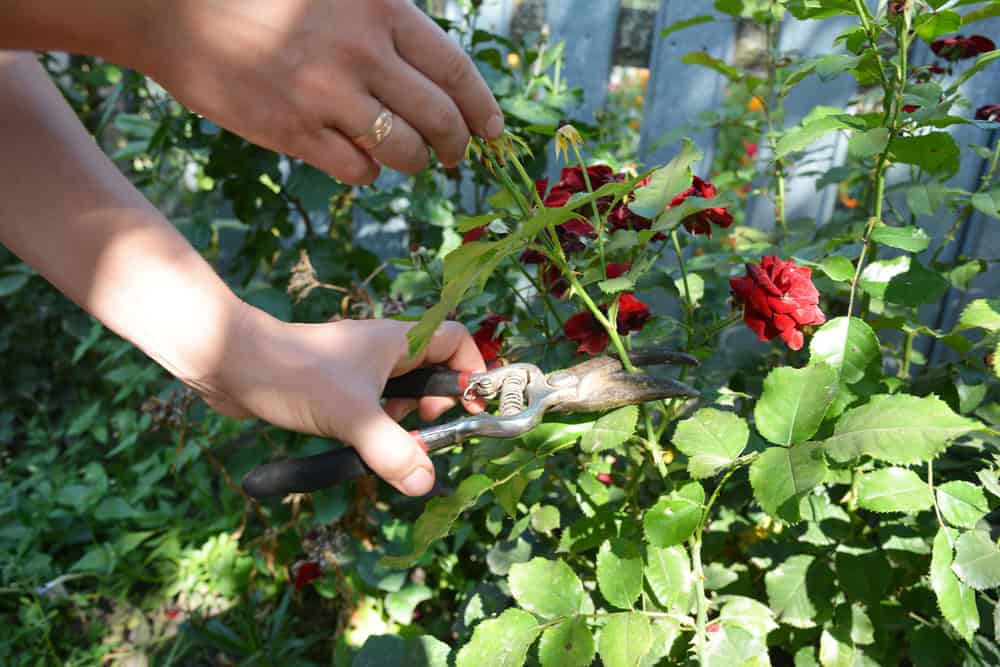
If you’ve ever heard someone talking about deadheading their flowers and wondered what on earth they meant, you’re certainly not alone. Gardening has plenty of terms that sound far more complicated than the jobs themselves.
Thankfully, deadheading is one of the simplest gardening tasks you can learn, and it can make a lovely difference to your flower garden.
By removing faded flowers, you can encourage many plants to produce more blooms, keep borders and containers looking their best, and prevent unwanted seedlings from popping up everywhere.
But there’s a little more to deadheading than simply snipping off anything that looks past its best. Some plants benefit enormously from regular attention, while others are better left alone.
Here’s everything you need to know about deadheading flowers, including when to do it, where to cut, and which plants don’t need it.
What Is Deadheading?
Deadheading is the process of removing faded, dying or finished flowers from a plant. It’s a simple way to keep flowering plants looking tidy, and it can also encourage some plants to produce more flowers instead of putting their energy into developing seeds.
Once a flower has been pollinated, the plant may begin producing seeds. For many flowering plants, this is an important part of their natural life cycle.
By removing the spent flower before seeds develop, you can sometimes encourage the plant to continue flowering.
However, not every plant will produce another flush of blooms. Some naturally flower only once each year, regardless of how carefully you deadhead them.
Remember, deadheading encourages further flowering in plants capable of producing more blooms. It doesn’t make every plant flower again.
Why Should You Deadhead Flowers?
There are several good reasons to make deadheading part of your regular gardening routine.
1. Encourage More Flowers
For many gardeners, this is the biggest benefit. Plants such as sweet peas, cosmos, petunias, and repeat-flowering roses can produce more blooms when you regularly remove faded flowers.
Instead of allowing developing seeds to mature, the plant may continue producing new flower buds. This is particularly useful for summer bedding plants, which can provide colour for months when properly cared for.
2. Keep Your Garden Looking Beautiful
Even the prettiest flowers eventually fade. Petals turn brown, flower heads droop, and once-colourful containers can start to look tired.
Removing these spent flowers is a quick way to freshen up your displays. A few minutes spent deadheading hanging baskets, patio pots or flower borders can make a surprising difference.
3. Prevent Unwanted Self-Seeding
Some plants are enthusiastic self-seeders. While this can be wonderful if you enjoy a natural-looking garden, it isn’t always ideal when you want particular plants to stay in their allotted spaces.
Deadheading before seeds mature can help prevent unwanted seedlings from appearing elsewhere. Of course, if you’d love more of a particular flower next year, you can leave a few seedheads to develop instead.
4. Reduce Fallen Petals and Plant Debris
Some flowering plants produce large quantities of petals that eventually fall onto surrounding foliage, paths or containers.
Removing fading flowers before they collapse can help keep the garden looking tidy. It is particularly useful for plants with large, densely packed blooms, including certain roses and peonies.
5. Help You Keep an Eye on Your Plants
Deadheading is also a good excuse to take a closer look at what’s happening in your garden.
As you work your way through your flowers, you might spot new buds forming, signs of pest damage, or plants that need watering. It’s a small job that encourages you to notice changes before they become bigger problems.
When Should You Deadhead Flowers?
The best time to deadhead most flowering plants is as soon as their flowers begin to fade. You don’t need to wait until the petals have completely dried out or fallen off. Look for flowers that are:
- Wilting or drooping
- Turning brown around the edges
- Losing their colour
- Dropping petals
- Beginning to develop seed pods
During the main flowering season, some plants may benefit from attention every few days.
Summer bedding plants, such as petunias and pansies, often need frequent deadheading to keep their displays looking fresh. Other plants, including many border perennials, may only need checking once a week.
And don’t worry if you miss a few days. Your flowers aren’t going to suffer simply because you didn’t get around to deadheading them immediately.
Should You Deadhead Flowers in Autumn?
This depends on the plant and what you want from your garden. Removing spent flowers from plants that are still actively blooming can help maintain their display.
However, as autumn progresses, there are good reasons to leave some flowers to develop seeds.
Seedheads from plants such as sunflowers, rudbeckias and echinacea can provide food for birds during autumn and winter. Standing stems and seedheads can also provide shelter for insects.
Rather than cutting everything back at the end of the flowering season, consider leaving some plants standing until spring. A garden doesn’t need to be perfectly tidy to be healthy or beautiful.
What Tools Do You Need for Deadheading?
One of the nicest things about deadheading is that you don’t need much equipment. For many soft-stemmed flowers, your finger and thumb are perfectly adequate.
For tougher stems or larger plants, a few basic tools can make the job easier. Useful tools include:
- Garden snips: Ideal for smaller flowers and delicate stems.
- Secateurs: Useful for roses, woody stems and thicker flowering stalks.
- Gardening gloves: Helpful when working with thorny plants or those with irritating sap.
- A small bucket or garden trug: Handy for collecting spent flowers and keeping paths tidy.
Make sure your cutting tools are sharp and clean. Blunt blades can crush stems rather than cutting them neatly.
You don’t need to buy special equipment just for deadheading if you already have a suitable pair of garden scissors or secateurs.
How to Deadhead Flowers: Step by Step
The exact technique varies slightly by plant, but most flowers can be deadheaded in a few simple steps.
Step 1: Find the Faded Flowers
Start by looking over your plant for flowers that have finished blooming. Check carefully before removing anything, particularly on plants with lots of developing buds.
A young flower bud can sometimes look similar to a developing seed pod, so take a moment to make sure you’re removing the right thing.
Step 2: Follow the Flower Stem Down
Rather than automatically cutting directly beneath the faded flower, follow its stem down towards the next healthy leaf, bud or side shoot. On many plants, this is the best place to make your cut.
Removing a little of the flower stalk also helps prevent short, bare stems from being left behind.
Step 3: Remove the Spent Flower
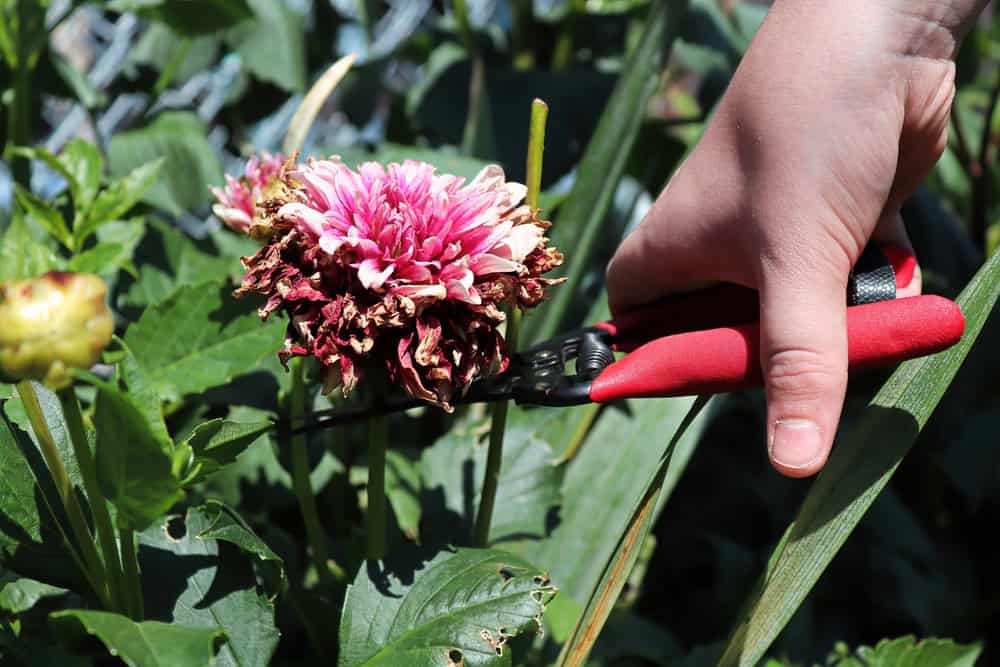
For flowers with soft stems, you may be able to pinch off the flower and its stalk with your thumb and forefinger. For thicker or tougher stems, use clean garden snips or secateurs.
Make a neat cut just above a suitable leaf, bud or side shoot, taking care not to damage the surrounding growth.
Step 4: Check for More Faded Blooms
Continue around the plant, removing flowers that have finished while leaving healthy blooms and developing buds untouched. You don’t need to remove perfectly good flowers just because they’re growing next to faded ones.
Step 5: Dispose of the Spent Flowers
Healthy spent flowers can usually go in your compost heap. However, avoid adding mature seedheads if you don’t want unwanted seedlings to appear when you use the finished compost.
If flowers show signs of disease, check the appropriate disposal advice rather than automatically adding them to your home compost.
Gardening tip: Deadheading is different from pruning. You’re generally removing spent flowers and their stalks, not cutting large sections of healthy growth.
How to Deadhead Different Types of Flowers
Although the basic principle is the same, a few popular garden flowers benefit from slightly different approaches.
Roses
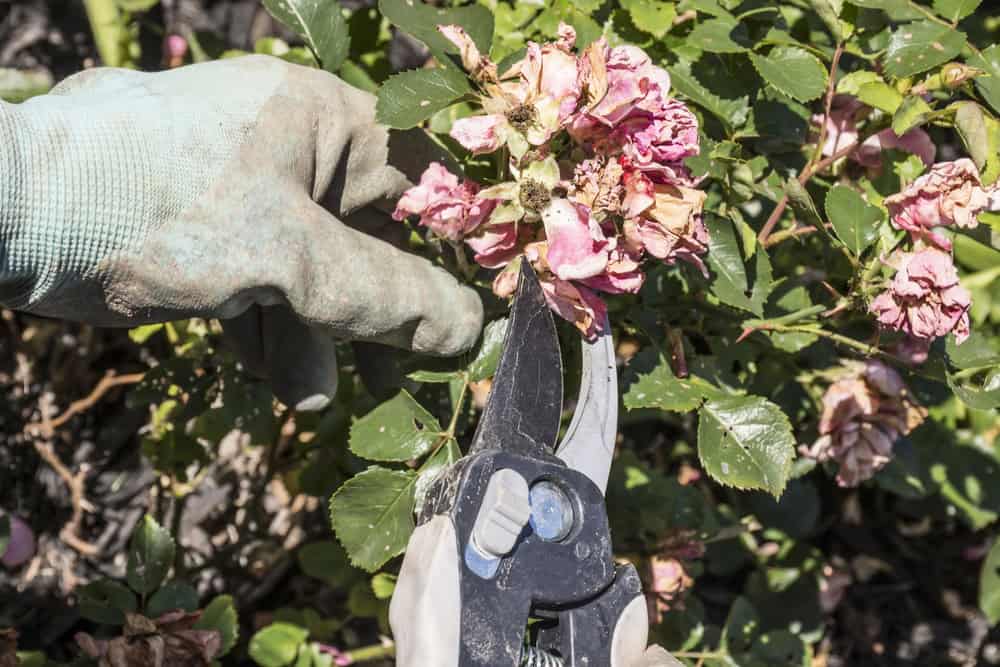
Repeat-flowering roses are good candidates for regular deadheading. Remove faded flowers by cutting back to just above a healthy leaf or suitable bud.
If a rose produces clusters of blooms, you can remove individual faded flowers before taking away the entire cluster once all its flowers have finished.
However, some roses produce beautiful rose hips that are valuable to wildlife. And if you’d like your roses to develop hips for autumn colour and winter food, leave the later flowers to set seed.
Sweet Peas
Sweet peas are particularly rewarding plants to deadhead. Regularly removing faded flowers helps discourage seed pod development and encourages continued flowering.
Follow each finished flower stem back to where it joins the main growing stem and carefully remove it.
During the main flowering season, check sweet peas frequently. You can also pick fresh flowers for indoor arrangements, which encourages the plant to keep producing blooms.
Petunias
Petunias can quickly become covered in faded flowers during warm weather. Pinch off the spent blooms, including the developing seed capsule behind the petals.
Some modern petunia varieties are self-cleaning and need very little deadheading, so check the variety you’re growing.
Dahlias
Dahlias can flower for months, often continuing until the first frosts. Remove faded blooms regularly, following the flower stem back to a suitable pair of leaves or side shoot.
Be careful not to confuse developing buds with finished flowers. Dahlia buds are usually rounded and firm, while spent flower heads often become more pointed or irregular as the petals collapse.
Lupins and Delphiniums
Plants with tall flowering spikes need a slightly different approach. Once the main flower spike has finished, cut it back to a suitable lower bud or side shoot.
Depending on the plant and growing conditions, this may encourage smaller secondary flower spikes. However, a second display is not guaranteed.
Daffodils and Tulips
After spring bulbs finish flowering, removing the spent flower heads can prevent unnecessary seed development. But don’t cut away the green leaves.
The foliage needs time to photosynthesise and replenish the bulb’s energy reserves for the following year. Allow leaves to die back naturally before removing them.
Which Flowers Should You Not Deadhead?
This is where gardening becomes a little more interesting. Although deadheading is useful, there are plenty of situations where leaving the flowers alone is the better choice.
Flowers That Provide Food for Wildlife
Some of the most attractive winter seedheads are also valuable food sources for birds. Consider leaving the seedheads of:
- Sunflowers
- Echinacea
- Rudbeckia
- Teasels
- Cornflowers
- Globe thistles
Allowing these plants to set seed can support visiting wildlife and provide structure in the winter garden. It’s a lovely example of how doing less gardening can sometimes benefit nature.
Flowers With Attractive Seedheads
Not every plant needs tidying immediately after flowering. Plants such as honesty, love-in-a-mist and ornamental grasses can develop beautiful seedheads that look particularly striking in autumn and winter.
You might enjoy their faded forms just as much as their flowers.
Flowers You Want to Collect Seeds From
If you’re hoping to collect seeds for next year, leave some flowers to develop naturally. Choose healthy plants and allow their seedheads to mature before harvesting.
Bear in mind that seeds collected from hybrid varieties may not produce plants identical to their parents.
Plants That Flower Only Once
Some plants naturally have just one flowering period each year. Deadheading may improve their appearance, but it won’t necessarily make them bloom again.
For these plants, removing faded flowers is largely a matter of preference unless you’re trying to prevent seed formation.
Hydrangeas
Hydrangeas deserve a special mention. Although you can sometimes remove faded flowers after blooming, it’s often best to leave the old flowerheads on mophead hydrangeas throughout winter.
They can help protect the developing buds beneath them from frost. You can then remove the faded heads in spring, when the risk of severe cold has decreased.
Common Deadheading Mistakes to Avoid
Deadheading is easy once you get the hang of it, but a few mistakes are worth avoiding.
Cutting off new flower buds: Always check the stem before cutting, especially on plants with developing buds close to older flowers.
Removing too much healthy growth: Deadheading usually involves removing the spent flower and part of its stalk. More extensive cutting back is a separate gardening task.
Using blunt or dirty tools: Keep cutting tools clean and sharp to avoid unnecessary stem damage.
Removing every seedhead: Leaving some seeds and standing stems provides food and shelter for wildlife.
Expecting every plant to flower again: Deadheading can encourage repeat flowering, but it cannot change a plant’s natural flowering cycle.
Can You Put Deadheaded Flowers in the Compost?
Yes, healthy spent flowers are generally suitable for composting. Soft petals and flower stems break down alongside other garden waste and contribute organic matter to your compost heap.
However, mature seedheads may contain viable seeds that can survive if your compost doesn’t get hot enough.
If you’re trying to prevent a plant from spreading, remove its seeds carefully and follow suitable disposal guidance. Depending on the disease, you may also need to keep diseased plant material out of your home compost.
Frequently Asked Questions About Deadheading
Does deadheading make flowers grow back?
Deadheading can encourage repeat-flowering plants to produce more blooms, but it doesn’t guarantee a second flowering period. Some plants naturally flower only once each year.
Is deadheading the same as pruning?
No. Deadheading involves removing faded flowers, while pruning generally involves cutting back stems or branches to control growth, improve structure or encourage healthy development.
Some plants benefit from cutting back after flowering, but this is more extensive than routine deadheading.
What happens if you don’t deadhead flowers?
In many cases, nothing particularly serious. Some plants will produce fewer additional flowers as they develop seeds, while others will continue blooming regardless.
Leaving flowers to mature can also provide seeds for wildlife or future planting.
Should you deadhead every flower?
No. Some plants produce attractive seedheads, berries or fruits, while others naturally shed faded blooms without needing attention. Whether you deadhead often depends on the plant and what you want from your garden.
How often should you deadhead?
During the main growing season, check frequently flowering plants every few days and other flowering perennials about once a week. There’s no need to stick to a strict schedule. Simply remove faded flowers when you notice them, where appropriate.
A Little Deadheading Can Go a Long Way
Deadheading is one of those simple gardening jobs that becomes second nature once you understand how it works.
A few minutes spent removing faded flowers can keep containers looking cheerful, encourage some plants to bloom for longer, and give you a chance to check how everything is growing.
But it’s also worth remembering that a healthy garden doesn’t need to look perfectly tidy.
Allowing some flowers to develop seeds, leaving attractive seedheads standing, and giving wildlife a place to shelter can be just as valuable as keeping your borders neat. The trick is knowing when to reach for your secateurs — and when to leave things alone.
