
9 Ways Winter Can Damage Your Garden Plants (and How to Prevent It)

Frost isn’t the only thing that can harm your garden in winter. From waterlogged roots and drying winds to sudden cold snaps, discover nine ways winter weather can damage plants and what you can do to protect them.
This post may contain affiliate links. Please see the affiliate disclosure for details.
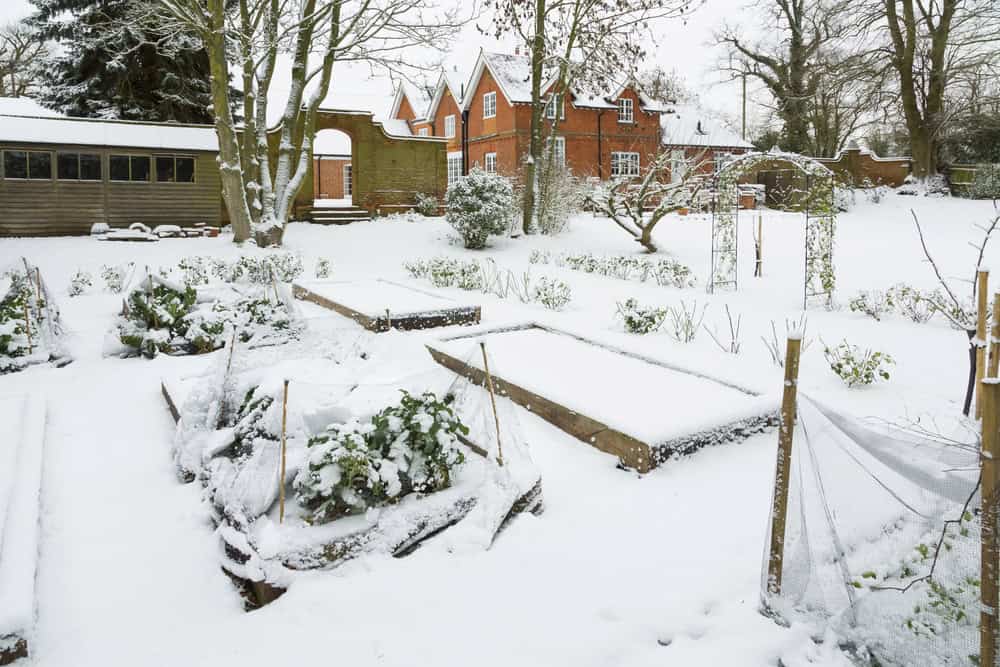
British winters have a habit of keeping gardeners guessing. One week the borders are waterlogged, the next they’re frozen solid, and just when everything seems to be settling down, a mild spell persuades a few unsuspecting plants that spring has arrived.
Then, inevitably, the temperature drops again.
Frost usually gets the blame when plants emerge from winter looking worse for wear. Sometimes that’s fair enough. A single freezing night can turn the leaves of a tender plant black and leave its stems hanging rather miserably. But frost isn’t the only culprit, and it isn’t always the worst.
For some plants, particularly those accustomed to dry, well-drained soil, a prolonged spell of winter rain can be more damaging than several nights below freezing. Others cope perfectly well with the cold until an easterly wind strips moisture from their leaves or heavy snow brings down a branch.
The difficulty is that winter damage isn’t always immediately obvious. A shrub may look healthy in February, only to begin declining when spring growth should be getting underway.
Understanding what causes these problems is half the battle. Once you know what to look for, it’s much easier to decide which plants need protection, which need better growing conditions, and which are best left alone until warmer weather returns.
Here are nine ways winter can damage garden plants, along with what you can do to prevent trouble.
1. Frost Can Damage Plant Cells, Leaves and Growing Buds
Frost damage is one of the most familiar winter problems, but not every plant responds to freezing temperatures in the same way.
Hardy plants have developed ways to survive the cold. As temperatures fall during autumn, many gradually acclimatise, making changes within their tissues that help them tolerate freezing.
Tender plants are less well equipped.
When ice forms in plant tissues, water can be drawn out of cells, causing dehydration and potentially damaging their membranes. Under severe conditions, ice formation and associated stresses can kill the affected tissue.
The results are often unmistakable.
Dahlia foliage may turn black and collapse after the first proper frost. Tender salvias can develop brown, lifeless stems, while evergreen shrubs such as bay and pittosporum may suffer scorched foliage during particularly cold spells.
Even hardy plants aren’t entirely immune. Their young shoots, flower buds and newly emerging leaves can be much less frost-resistant than mature growth.
This explains why a magnolia can sail through the winter without difficulty, only to have its magnificent spring flowers ruined by one cold night.
What helps?
For tender plants, protection needs to begin before severe frost arrives. Move vulnerable containers somewhere sheltered, use horticultural fleece when appropriate, and protect the roots of borderline-hardy perennials with a suitable mulch.
It’s also worth thinking about where you plant things in the first place.
Cold air tends to collect in low-lying areas, creating frost pockets. A sheltered position near a wall may offer better conditions for a slightly tender shrub than an exposed spot at the bottom of the garden.
Don’t be too hasty with the secateurs afterwards. Frost-blackened stems sometimes protect living buds lower down, and waiting until spring makes it easier to see what has survived.
2. Winter Rain Can Leave Roots Struggling for Air
If frost gets most of the attention, winter wet deserves considerably more. In many parts of the UK, particularly the wetter west, prolonged rainfall and saturated ground can be a bigger problem than low temperatures.
The trouble begins beneath the surface.
Healthy roots need oxygen to function. In well-structured soil, air occupies some of the spaces between soil particles. When those spaces remain filled with water, oxygen becomes scarce.
Roots may struggle to function, and prolonged waterlogging can encourage certain diseases that attack already stressed plants.
There’s an interesting exception, though. Because roots and soil microorganisms are less active in cold conditions, plants can often tolerate waterlogged soil longer in winter than during the warmer growing season.
Nevertheless, repeated or prolonged saturation remains troublesome, especially for plants adapted to freely draining soil.
Think of lavender growing on heavy clay. It may be perfectly capable of surviving a cold winter, yet succumb when its roots remain wet for weeks. Rosemary, many rock-garden plants and some ornamental salvias can suffer similar problems.
The plant hasn’t necessarily been killed by the cold. Its roots have simply spent too long in conditions they weren’t designed to tolerate.
What helps?
The answer is better drainage, not necessarily more frost protection. Plants that dislike winter wet usually do better in raised beds, sloping borders, or naturally free-draining soil.
In containers, make sure drainage holes remain clear and pots aren’t sitting in saucers of water.
Adding organic matter can gradually improve soil structure, but it won’t instantly solve severe waterlogging. Where drainage is consistently poor, choosing moisture-tolerant plants may be the more sensible solution.
And resist the temptation to dig heavy, saturated soil in winter. Working it while wet can damage its structure and make matters worse.
3. Cold Winds Can Scorch Evergreen Leaves
Evergreens have an advantage over deciduous plants: they keep their leaves throughout winter. Unfortunately, that also means those leaves remain exposed to the weather.
During cold, windy conditions, moisture continues to escape from evergreen foliage. If the roots cannot replace it quickly enough, the leaves begin to dry out.
This is known as winter desiccation or wind scorch. You might notice brown leaf margins, dry patches or damaged foliage on the side facing the prevailing wind.
Camellias, rhododendrons, conifers and other evergreen shrubs can all be affected, particularly when newly planted.
The problem becomes worse if the soil is frozen. With water locked up as ice, roots may be unable to absorb enough moisture to replace what the leaves are losing.
It’s quite possible, therefore, for an evergreen to suffer symptoms resembling drought in the middle of a freezing winter.
Shelter matters more than wrapping everything
A well-placed windbreak can make an enormous difference.
Hedges, fences and other garden structures can reduce exposure, although completely solid barriers sometimes create turbulence on their sheltered side. A permeable windbreak that slows the wind is often preferable.
For smaller vulnerable plants, securely anchored horticultural fleece can provide temporary protection.
Young evergreens also benefit from being watered during dry periods before the ground freezes.
If foliage is scorched, wait until growth resumes before deciding what to remove. Broadleaved evergreens often produce fresh leaves from surviving buds, but many conifers won’t regenerate from old, bare wood, so careless pruning can leave permanent gaps.
4. Roots in Containers Can Freeze More Easily
A hardy plant in the ground isn’t necessarily equally hardy in a pot. This catches gardeners out surprisingly often.
In a border, roots benefit from the insulating effect of the surrounding soil. In a container, they’re exposed to cold through the sides and bottom of the pot.
Small containers are particularly vulnerable because their limited volume of compost can cool and freeze relatively quickly.
This matters because a plant’s roots may be less cold-tolerant than its stems and leaves.
You may have a shrub that’s perfectly hardy in your area, yet discover that the same plant struggles through a severe winter in a small patio pot.
Terracotta containers introduce another problem. Water absorbed into the material can freeze and expand, causing cracks or flaking.
Give the roots some protection
Start by grouping pots in a sheltered position, preferably away from the strongest winds. Wrapping vulnerable containers with insulating material can help moderate temperature changes around the roots. Make sure drainage isn’t obstructed.
For particularly precious or borderline-hardy specimens, moving the entire container into a suitable greenhouse or sheltered building may be safer.
However, don’t automatically bring hardy outdoor plants into a warm house. Many need a period of winter dormancy, and excessive warmth combined with poor light can cause more problems than it solves.
Sometimes the best protection is simply a larger container, a sheltered position and compost that drains properly.
5. Freezing and Thawing Can Push Plants Out of the Soil
Have you ever noticed a recently planted perennial sitting slightly higher in the ground after a spell of frosty weather? It may have been affected by frost heave.
When water in the soil freezes, ice can form and cause the ground to move. Repeated freezing and thawing may gradually lift shallow-rooted plants, exposing roots that were previously safely buried.
Newly planted perennials, young shrubs and strawberries can be particularly susceptible because their root systems haven’t yet anchored them firmly into the surrounding soil.
Once roots become exposed, they’re vulnerable to drying out and further cold damage. Fortunately, this is usually easy to deal with if caught early.
After a frost, inspect recently planted areas. If a plant has lifted, wait until the soil has thawed, then gently firm it back into place and cover exposed roots.
A layer of mulch can help reduce rapid temperature fluctuations around the soil surface.
Don’t try to force plants back into frozen ground. You’ll achieve very little beyond potentially damaging their roots.
6. Heavy Snow and Ice Can Break Branches
A light covering of snow can be beneficial in the garden. It acts as insulation, helping protect low-growing plants and the soil beneath from more extreme air temperatures. Heavy, wet snow is quite another matter.
As it accumulates, branches may bend under the weight. Evergreens are particularly vulnerable because their foliage provides plenty of surface for snow to settle on.
Conifers can suffer split or splayed branches, while shrubs with brittle wood may lose entire stems.
Ice can add considerable weight too, sometimes causing damage that isn’t noticed until everything begins to thaw.
Should you remove snow from plants?
It depends on the conditions. Loose, heavy snow can sometimes be gently brushed from accessible branches before it causes damage. Work carefully, supporting the branch where possible rather than pulling at it.
Avoid shaking or striking branches that are frozen solid. Cold wood can be brittle, and you may do more harm than the snow itself.
Once the weather improves, inspect trees and shrubs for broken stems.
Small damaged branches can be pruned cleanly where appropriate, but large hanging or unstable branches should be dealt with by a qualified professional.
The garden may look wonderfully peaceful beneath a blanket of snow, but it’s worth checking what’s happening under all that weight.
7. Winter Storms Can Loosen Roots and Damage Plant Supports
Wind damage isn’t limited to broken branches. Sometimes the greatest damage happens below ground, particularly to recently planted trees and shrubs.
When strong winds repeatedly push a plant backwards and forwards, its roots may move within the surrounding soil. This is known as wind rock.
On established plants, a certain amount of movement is normal. Young trees actually benefit from some flexibility as they develop their supporting structure.
But excessive movement can tear new roots and prevent plants from establishing properly.
The problem is especially common when soil is wet and soft, offering less resistance to movement.
Tall shrubs, newly planted trees and climbing plants attached to insecure supports can all suffer.
Check supports before storms arrive
Tree stakes should hold the rootball sufficiently steady while allowing the upper stem some natural movement. Ties need to be secure without cutting into bark.
It’s also sensible to check trellises, arches and supports for climbing roses before winter storms expose any weaknesses.
After particularly windy weather, look for plants that have developed a lean, loose soil around their base or damaged ties.
If a young tree has shifted, correct its position and support as necessary while the soil is workable. A few minutes checking stakes and supports can save a great deal of trouble later.
8. Mild Spells Can Encourage Growth That Isn’t Ready for Frost
Of all the tricks British winter weather plays, this must be one of the most frustrating. An unusually mild spell arrives, buds begin to swell, and a few plants behave as though spring has started.
Then the temperature drops.
Plants don’t become fully hardy overnight. As autumn progresses, many gradually acclimatise to colder conditions. Their level of cold tolerance can also change during winter, particularly after prolonged mild weather.
If growth resumes too early, young tissues may be caught by a sudden frost before they’ve developed sufficient protection.
Spring-flowering shrubs and fruit trees can be especially vulnerable.
Camellia buds may be damaged, magnolia flowers can turn brown almost overnight, and early fruit blossom may be lost before the growing season has properly begun.
Can you prevent it?
Not entirely. You can’t stop a mild January, and plants respond naturally to temperature and day length. But you can avoid making things worse.
Don’t encourage soft late-season growth with excessive nitrogen-rich fertiliser. Choose suitable planting positions for early-flowering shrubs, and keep fleece available when frost threatens vulnerable buds or blossom.
For camellias and magnolias, a position protected from strong early morning sunshine can sometimes reduce damage from rapid thawing after frost.
Most importantly, distinguish between damage to flowers and damage to the plant itself.
A magnolia that loses its blossom to frost may be thoroughly disappointing that spring, but the tree is often otherwise perfectly healthy.
9. Plants Can Suffer from Drought During Winter
This might seem unlikely in Britain, where winter often brings more rain than anyone wants. But not every plant receives its share.
Containers beneath roof overhangs, plants in sheltered courtyards and shrubs growing close to buildings can remain surprisingly dry, even after days of rain.
Evergreens still need some moisture during winter, though generally much less than during active summer growth. If the compost becomes completely dry for an extended period, roots may struggle to supply the foliage.
Unlike the wind scorch described earlier, where exposure causes moisture to be lost faster than it can be replaced, winter drought can occur simply because insufficient water reaches the roots.
The two problems can also occur together.
Check before reaching for the watering can
Sheltered pots deserve an occasional inspection throughout winter. Push a finger into the compost or check its weight and moisture before deciding whether it needs water.
If the compost is dry, water during a mild spell when it isn’t frozen, and let excess moisture drain freely.
Recently planted evergreen shrubs may also need attention during unusually dry winters, particularly on light, free-draining soils.
There’s no need to water established plants routinely just because the calendar says so. In most UK gardens, winter overwatering is more likely to be a problem than drought. The key is to respond to conditions rather than follow a fixed schedule.
How to Recognise Winter Damage on Plants
One of the difficulties with winter damage is that several different problems can produce remarkably similar symptoms. Brown leaves, dieback and wilting don’t automatically mean a plant has been killed by frost.
It’s worth considering the recent weather, the plant’s position and the condition of the soil before deciding what went wrong.
|
What you notice |
What might be responsible |
|---|---|
|
Black, collapsed leaves after a freezing night |
Frost injury |
|
Brown leaf edges on exposed evergreens |
Wind scorch, cold injury or moisture stress |
|
Yellowing, wilting or declining growth in wet soil |
Root stress from waterlogging or disease |
|
Newly planted specimens sitting higher in the ground |
Frost heave |
|
Broken or bent branches |
Heavy snow, ice or storm damage |
|
Loose soil and movement around a young tree |
Wind rock |
|
Dry foliage on sheltered container plants |
Winter drought |
|
Damaged buds or flowers after a mild spell |
Frost following premature development |
|
Little or no new growth when spring arrives |
Possible damage to roots, stems or growing buds |
These are clues rather than definitive diagnoses. Pests, diseases, nutrient problems and other stresses can produce similar symptoms. A useful habit is to look at the pattern of damage.
If only the windward side of a shrub is brown, exposure may be involved. If several plants in a poorly drained border are declining, investigate the soil. If tender foliage blackened immediately after a hard frost, the cause is rather easier to identify.
Sometimes the explanation is a combination of conditions rather than one dramatic weather event.
A plant weakened by waterlogging, for example, may later struggle with cold or spring drought because its roots no longer function properly.
Can Plants Recover from Winter Damage?
Before consigning a brown shrub to the compost heap, give it a chance. Many plants are more resilient than they appear.
Some hardy perennials die back completely above ground during winter, only to produce healthy new shoots once the soil warms. Certain shrubs can recover from apparently severe frost damage by growing from dormant buds lower down their stems.
Others take considerably longer to reveal whether they’ve survived. This is why early spring isn’t always the best time to make a final judgement.
Check for signs of life
With woody plants, gently scratching a tiny area of bark can sometimes reveal green, living tissue beneath. You can also look for swelling buds, flexible stems or new growth emerging from the base.
However, a green patch beneath the bark doesn’t guarantee recovery, and a brown shoot doesn’t necessarily mean the roots are dead. Look at the whole plant rather than relying on one test.
Don’t prune too soon
Unless there’s broken, dangerous or diseased material to remove, it’s usually sensible to wait until the risk of severe frost has passed.
Once new growth begins, dead portions become easier to identify. Cut back to healthy buds or shoots where appropriate, using clean, sharp secateurs. Be especially cautious with conifers and other plants that don’t readily regenerate from old wood.
Avoid trying to force recovery
A damaged plant doesn’t necessarily need a generous helping of fertiliser. If its roots have been injured by cold or waterlogging, additional nutrients won’t immediately restore their function.
Instead, concentrate on suitable soil moisture, drainage and growing conditions. Resume normal feeding once the plant is actively growing and able to make use of it.
If a favourite shrub still shows no signs of life in late spring, don’t be too quick to remove it. Some plants may not produce new shoots until early summer.
Patience won’t save everything, of course, but it can prevent the unnecessary loss of plants that were merely slow to recover.
Which Plants Need the Most Winter Protection?
Not every plant benefits from being wrapped in fleece or surrounded by insulating material. In fact, unnecessary protection can sometimes create problems of its own.
Wrapping plants too tightly may reduce airflow and trap moisture, while heavily mulching the crown of a plant that dislikes wet conditions can encourage decay.
It’s better to consider what the individual plant actually needs.
Tender bananas and tree ferns may require protection from severe cold. Lavender generally needs good drainage more than extra warmth. Newly planted evergreens may benefit from shelter and occasional watering, while an established hardy deciduous shrub could need no attention at all.
Container plants deserve particular consideration because their roots are more exposed. And always take local conditions into account.
A sheltered coastal garden in Cornwall can offer a very different winter environment from an exposed hillside in Yorkshire or a frost-prone garden in the Scottish Highlands.
The RHS hardiness rating is a useful starting point when choosing plants, but it doesn’t tell the whole story. Drainage, exposure, winter rainfall and the age of the plant can all influence its chances of survival.
The most effective winter protection often begins long before the first frost, with choosing the right plant for the right place.
Frequently Asked Questions About Winter Plant Damage
Why do plants turn brown during winter?
Brown foliage can result from frost, wind scorch, lack of moisture, or root damage from waterlogged soil. Look at which parts of the plant are affected, recent weather, and growing conditions before deciding on the cause.
Can frost-damaged plants recover?
Yes, many can. Hardy perennials may regrow from their roots, while shrubs sometimes produce new shoots from surviving buds. Wait until spring growth begins before removing apparently dead stems, unless you need to act sooner.
Is winter rain worse than frost for plants?
For some plants, yes. Lavender, rosemary and other plants that prefer freely draining soil may tolerate cold weather quite well but struggle in prolonged winter wet. Tender plants, on the other hand, may be killed by frost regardless of how well the soil drains.
Should I cover all my plants when frost is forecast?
No. Most fully hardy, established garden plants don’t require routine frost protection. Focus on tender plants, vulnerable containers, and recently planted specimens that may need extra shelter.
Why has my rosemary turned brown over winter?
Rosemary can suffer from several winter problems, including waterlogged roots, severe frost and cold drying winds. Check the soil drainage and the pattern of damage before deciding whether the plant needs protection, pruning or a different growing position.
How long should I wait before replacing a winter-damaged shrub?
If the plant isn’t creating a safety or disease problem, consider waiting until late spring or early summer. Some shrubs are slow to produce new growth after a harsh winter, especially when stems are damaged but the roots remain alive.
Helping Your Garden Through Winter
There’s no need to treat every winter weather forecast as a gardening emergency. Most established, hardy plants can handle ordinary British winter conditions, and some are better left alone than subjected to unnecessary wrapping, pruning, or watering.
The plants that need attention are usually those growing at the limits of their hardiness, those that haven’t yet established, or those in positions that leave them particularly exposed.
A little preparation makes a considerable difference. Check drainage before the wet weather arrives, secure vulnerable plants ahead of winter storms, and make sure tender specimens have somewhere suitable to spend the coldest months.
And when something does go wrong, try to understand the cause before reaching for the secateurs. After all, a plant that looks decidedly unpromising in February may still have a perfectly respectable future come June.
A Note About Our Gardening Advice
Gardening Is Great is based in the UK, so our growing guides and seasonal advice are written with British gardens and growing conditions in mind. However, much of our advice is also useful to gardeners in other temperate climates, including parts of Europe, North America and beyond. Just remember that planting times, frost dates and growing seasons vary depending on where you live. Always adjust seasonal recommendations to suit your local climate and growing conditions.
Save This Gardening Guide for Later
Planning your garden? Save one of these pins to your favourite gardening board so you can find this guide again.
