
Your Garden in December: What to Sow, Plant and Do in the UK

Wondering what to do in your UK garden in December? From winter planting and pruning to vegetable harvesting and wildlife care, here’s your practical guide to December gardening jobs.
This post may contain affiliate links. Please see the affiliate disclosure for details.
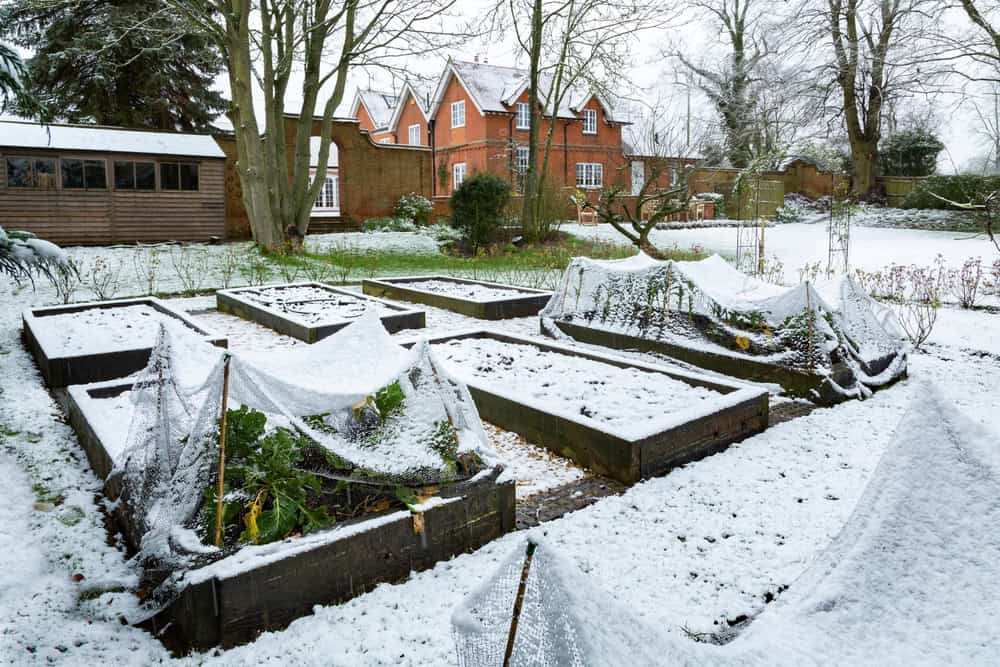
December may be one of the quietest months in the gardening calendar, but that doesn’t mean there’s nothing to do. As the days grow shorter and temperatures drop, the garden settles into its winter rhythm.
There are fewer flowers to deadhead, little grass to mow, and no overflowing harvest baskets demanding attention. Instead, it’s a time to protect plants, look after wildlife, and get a head start on next year’s garden.
Of course, British weather rarely makes gardening straightforward. One December might bring crisp mornings, frozen lawns and a dusting of snow, while another delivers weeks of rain and surprisingly mild temperatures. What you can do in your garden will depend on where you live and the conditions underfoot.
The good news is that December gardening doesn’t have to involve hours outdoors in the cold. A handful of well-chosen jobs can help protect your plants through winter and make life much easier when spring arrives.
Whether you’re growing vegetables, tending flower borders, looking after houseplants or simply trying to make your garden more welcoming to wildlife, here’s what to do in the garden in December.
December Gardening Jobs at a Glance
Short on time? Here’s a quick overview of the main gardening jobs for December.
|
Task |
What to Do |
|---|---|
|
PLAN |
Review this year’s garden, plan next year’s crops and order seeds |
|
SOW |
Try microgreens or pea shoots indoors; sow suitable seeds under cover if you can provide the right conditions |
|
PLANT |
Bare-root roses, fruit trees, shrubs and hedging; garlic in suitable conditions |
|
PRUNE |
Established apple and pear trees, plus suitable dormant deciduous shrubs |
|
HARVEST |
Brussels sprouts, leeks, parsnips, kale, cabbages and other winter vegetables |
|
PROTECT |
Tender plants, vulnerable containers, outdoor taps and greenhouse plants |
|
WILDLIFE |
Provide clean water, maintain bird feeders and leave undisturbed winter habitats |
|
MAINTAIN |
Clean tools, check plant supports and clear slippery paths |
|
ENJOY |
Winter berries, evergreen foliage, frost-covered seedheads and the slower pace of the garden |
If You Only Do Five Things in December
There’s no need to tackle every gardening job this month. If time is limited, I’d concentrate on these five.
- Protect vulnerable plants from frost and winter wet. Check fleece, mulch and sheltered containers before particularly cold weather arrives.
- Check your greenhouse and any plants spending winter under cover. Remove dead leaves, watch for pests and avoid overwatering.
- Plant bare-root trees and shrubs when conditions allow. December is a useful time to establish new plants, provided the soil isn’t frozen or waterlogged.
- Help wildlife through the colder months. Keep bird feeders hygienic, provide fresh water and leave sheltered areas undisturbed.
- Start planning next year’s garden. Make a note of what worked, what struggled and anything you’d like to grow differently.
Everything else can be fitted around the weather, your available time and how much enthusiasm you have for venturing outside!
What to Sow and Plant in December
December isn’t the busiest month for sowing, especially outdoors, but it still offers a few opportunities for gardeners who want to keep growing.
Vegetables to Sow in December
For most UK gardeners, December is better suited to planning than starting lots of new vegetable crops.
Cold soil, short days and low light levels mean seedlings often grow slowly, even when protected from frost.
However, there are a few options worth considering:
- Microgreens: Grow quick crops of radish, broccoli or pea shoots indoors in a bright position.
- Pea shoots: Sow peas specifically for their tender young shoots, which you can harvest for salads and sandwiches. A bright windowsill or suitable grow light can help during the darker winter months.
- Winter salad leaves: Established crops can continue producing in a greenhouse or cold frame. New sowings generally need additional light and suitable temperatures to grow well at this time of year.
- Broad beans: In particularly mild areas, late sowings of suitable overwintering varieties may be possible in free-draining soil, although November or late winter is generally more reliable.
If your vegetable beds are cold, saturated or frozen, there’s no advantage in forcing things. Sometimes the best gardening decision is to leave the soil alone.
Vegetables to Plant in December
Garlic is one of the most useful crops to consider planting in December.
Many garlic varieties benefit from cold exposure, which encourages proper bulb development and clove formation. Choose a sunny position with well-drained soil, and avoid planting into heavily waterlogged ground.
In colder areas or gardens with heavy clay soil, you can start garlic cloves in modules filled with peat-free compost and keep them somewhere sheltered before planting out.
Autumn-planting shallots may also suit December planting in mild areas with free-draining soil, depending on the variety.
Flowers to Sow and Plant in December
Fewer flower seeds are available to start at this time of year, but December still offers some opportunities.
Certain alpine and hardy perennial seeds benefit from a period of cold, which helps break dormancy. You can sometimes sow these outdoors in protected containers, following the instructions for the particular species.
If you have spring bulbs left over from autumn planting, don’t automatically throw them away. Healthy, firm bulbs may still be worth planting in workable soil or containers, although flowering results may be less reliable than with earlier planting.
December is also a lovely time to add winter interest with plants such as:
- Hellebores
- Winter-flowering heathers
- Skimmia
- Sarcococca (winter box)
- Winter pansies and violas
Choose plants suited to your soil and growing conditions, and avoid planting when the ground is frozen or saturated.
If you’d like more colour during the quieter months, take a look at these winter-flowering plants for inspiration.
Flower Garden Jobs for December
Flower borders may look bare in December, but plenty is still happening beneath the surface.
Many perennials are resting, spring bulbs are developing roots, and fallen leaves and old stems are providing shelter for garden wildlife.
Protect Tender Plants
Cold weather isn’t the only threat to garden plants in December. In many UK gardens, prolonged winter wet can cause just as much trouble.
Plants such as salvias, penstemons, and other borderline-hardy perennials may need extra protection, depending on the variety, soil, and local climate. Check that:
- Protective mulch is still in place around vulnerable plants.
- Fleece hasn’t blown away during windy weather.
- Containers have adequate drainage and aren’t sitting in standing water.
- Tender plants that need frost-free conditions have been moved under cover.
Also keep an eye on plants sheltered against walls or beneath roof overhangs. These may receive surprisingly little rainfall and occasionally need watering.
For more advice on protecting vulnerable plants during cold weather, see our guide to protecting garden plants from frost.
Leave Some Seedheads Standing
It can be tempting to give every flower border a thorough tidy before Christmas, but there’s good reason to leave some plants standing.
Seedheads from plants such as echinacea, rudbeckia, teasel and ornamental grasses can provide winter interest and, in some cases, food or shelter for wildlife.
Hollow stems and dead plant material may also offer overwintering sites for beneficial insects.
You don’t have to leave the whole garden untouched. Remove diseased growth and anything that creates a real problem, but consider keeping a few sheltered, undisturbed areas until spring.
A slightly untidy border can be far more useful than a completely bare one.
Check Winter Containers
Pots and containers are especially vulnerable to winter weather because their roots are more exposed to temperature changes.
Raise containers onto pot feet where appropriate to improve drainage, check that drainage holes aren’t blocked, and move particularly vulnerable plants somewhere sheltered.
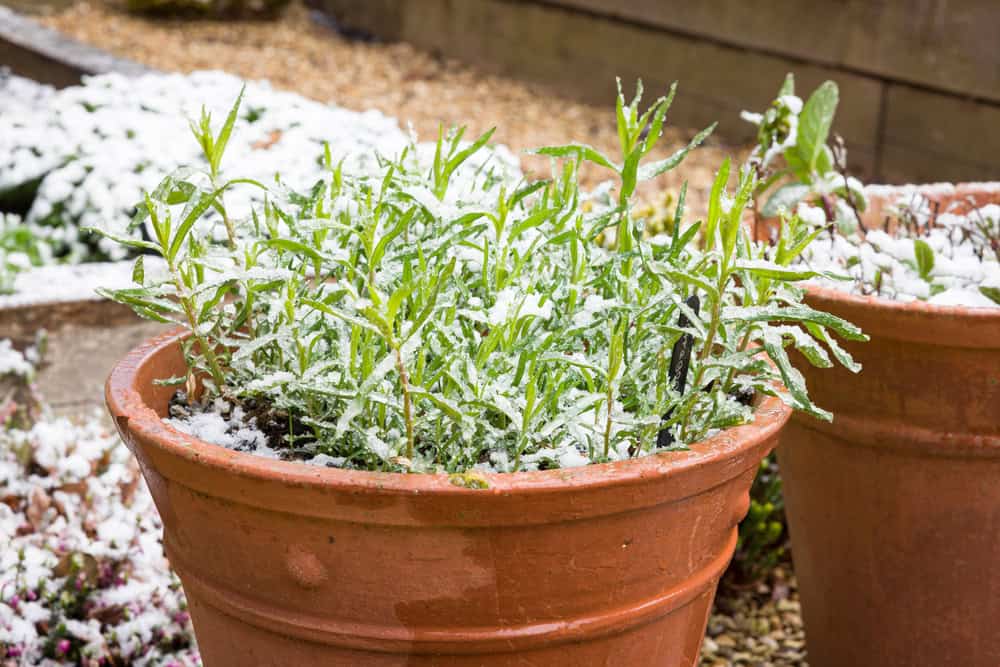
Keep an eye on terracotta pots too, especially those that may crack during repeated freezing and thawing.
Vegetable Garden and Allotment Jobs
The vegetable garden might be quieter in December, but there are still crops to harvest and preparations to make for next season.
Harvest Winter Vegetables
Depending on what you’ve grown and your local conditions, December harvests may include:
- Brussels sprouts
- Parsnips
- Leeks
- Kale
- Winter cabbages
- Swedes
- Turnips
- Beetroot
- Winter salad leaves growing under protection
Many winter vegetables are perfectly happy remaining in the ground during ordinary cold weather.
However, prolonged freezing can make harvesting difficult, so consider lifting suitable roots before severe cold or protecting the soil where crops remain. And for more ideas on keeping your vegetable beds productive, see our guide to planning a winter vegetable garden.
Check Stored Fruit and Vegetables
If you’ve stored apples, pears, pumpkins or winter squash from earlier harvests, take a few minutes to check them. Remove anything showing signs of rot, mould or serious damage before it affects neighbouring produce.
Make sure storage areas remain suitable for the particular crop, with appropriate ventilation and protection from frost. It’s a small job, but it can help you enjoy your homegrown harvest for longer.
Protect Brassicas from Hungry Birds
Pigeons can be particularly troublesome in winter when other food sources become less plentiful.
Brussels sprouts, cabbages and kale may need protection from persistent feeding.
Check existing crop covers and make sure any netting is securely fixed, properly tensioned and checked regularly so birds and other wildlife cannot become entangled.
If your Brussels sprouts have grown particularly tall, firm the soil around the stems and provide support where needed. Strong winds can loosen the roots and cause the plants to rock.
Feed Your Soil for Next Year
December is a good time to improve empty vegetable beds, as long as the soil is workable.
A layer of homemade compost or well-rotted organic matter can help protect the soil surface and gradually improve soil structure.
If you’re interested in no-dig gardening, this is particularly useful. Rather than turning the soil over, spread compost on the surface and let soil organisms do much of the work.
There’s no need to dig wet, heavy soil in the middle of winter. In fact, working saturated soil can damage its structure and make it harder to manage when spring arrives.
If your compost heap has slowed down, our guide to composting in winter explains how to manage it through the colder months.
Plan Next Year’s Vegetable Garden
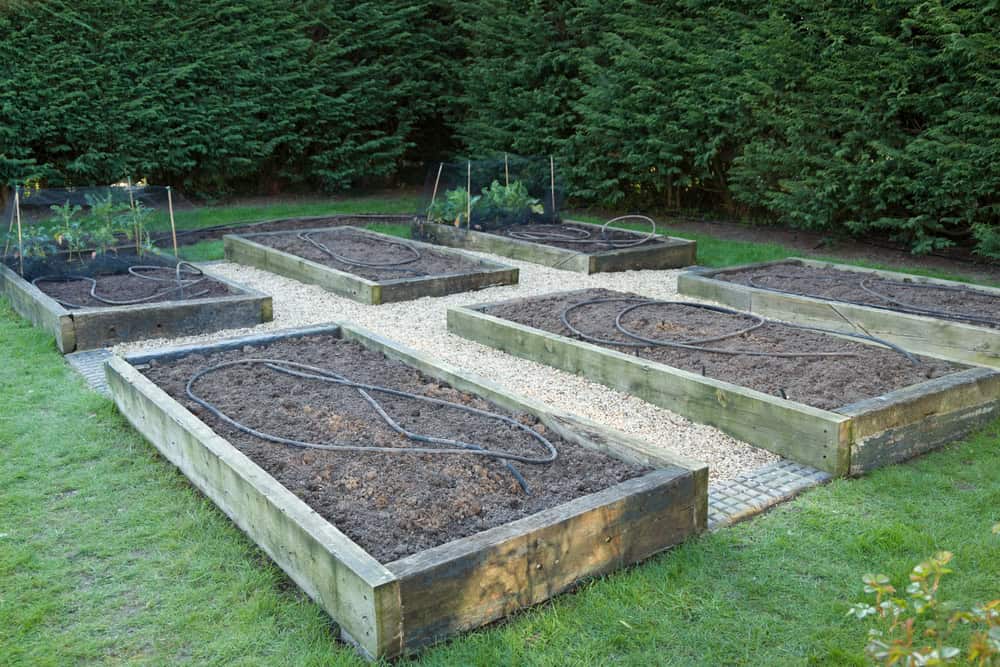
If you’re spending a rainy December afternoon thinking about gardening, planning next year’s vegetable patch is a lovely place to start.
Consider which crops performed well, which struggled, and whether you have enough space for everything you want to grow.
You might decide to:
- Grow more of the vegetables your household actually enjoys eating.
- Try a new variety of tomato, lettuce or climbing bean.
- Add more flowers to attract pollinating insects.
- Improve the layout of your vegetable beds.
- Experiment with a no-dig growing area.
A little planning now can prevent an overcrowded vegetable patch later.
Trees, Shrubs and Fruit Garden Jobs
December is an excellent month for certain planting and pruning jobs, especially once deciduous trees have lost their leaves.
Plant Bare-Root Trees and Shrubs
Bare-root plants are supplied without pots, usually while dormant between autumn and early spring.
They can be a more affordable way to establish fruit trees, roses, hedges and ornamental shrubs.
December is suitable for planting many bare-root plants, but timing depends on the weather.
Never plant into frozen or waterlogged ground. If conditions aren’t suitable when your plants arrive, keep their roots protected and moist until you can plant.
Once planted, gently firm the soil around the roots, water to settle the soil if needed, and mulch around the base, keeping mulch away from the trunk or stems.
Prune Apple and Pear Trees
Established freestanding apple and pear trees can be pruned during their dormant season, typically from November to early March.
With the leaves gone, it’s much easier to see the branch structure and identify congested or damaged areas.
The aim is usually to improve airflow, allow light into the canopy and maintain a manageable shape.
Start by looking for dead, damaged, crossing or rubbing branches. Avoid removing too much healthy growth in one year, as heavy pruning can encourage excessive vigorous shoots.
Important: Not all fruit trees should be pruned in December. Cherries, plums and other stone fruits are generally better pruned during suitable periods in the growing season because of the risk of diseases such as silver leaf.
Trained fruit trees and newly planted trees may also need different pruning methods from established freestanding trees.
Check Trees and Plant Supports
Winter storms can loosen tree stakes, damage ties and dislodge climbing plant supports.
Check that young trees are securely supported without being tied too tightly, and make sure climbing roses and wall-trained shrubs are still attached to their supports.
Strong winds can cause more damage than ordinary winter cold, so a few minutes checking supports can prevent problems later.
Greenhouse and Indoor Plant Care
There may not be much growing outdoors, but December is an important month for looking after plants under cover.
Keep the Greenhouse Healthy
Condensation, poor ventilation and overly wet compost can create problems in an unheated greenhouse.
Try to:
- Remove dead and yellowing leaves.
- Check overwintering plants for pests and fungal diseases.
- Water sparingly according to each plant’s needs.
- Ventilate briefly when conditions are suitable.
- Check greenhouse heating and frost protection where used.
- Keep glass or other glazing clean to maximise winter light.
Plants need much less water when temperatures and light levels are low, so check the compost rather than watering on a set schedule.
Look After Houseplants
Short winter days can make life difficult for indoor plants too.
Move plants closer to suitable natural light where needed, while avoiding cold window glass and draughts.
Reduce watering for plants that are growing slowly, and avoid feeding dormant plants until active growth resumes.
Not all houseplants follow the same winter routine. Flowering plants such as cyclamen and Christmas cactus have their own needs, so it’s worth checking the requirements of individual species.
And don’t forget to check for pests. Warm indoor conditions can keep aphids, fungus gnats, and other unwanted visitors active throughout winter.
Helping Garden Wildlife in December
One of the most worthwhile December gardening jobs is making sure your outdoor space offers food, water and shelter to wildlife.
Even a small garden can make a difference.
Feed Garden Birds Responsibly
During colder weather, natural food sources can become harder for birds to find.
Sunflower hearts and other suitable bird foods can provide additional energy, but it’s important to maintain good hygiene.
Clean feeders regularly, remove damp or spoiled food, and follow current wildlife charity guidance on safe feeding practices. Where possible, offer food in ways that minimise contamination and avoid overcrowding.
Fresh, clean water is just as important as food. Check birdbaths during freezing weather and replace ice with fresh water when needed.
Leave Hedgehog Habitats Undisturbed
Hedgehogs usually hibernate during the colder months, although they may emerge during milder spells.
Leaf piles, log stacks, hedgerows and other sheltered spaces may provide valuable nesting sites.
Avoid disturbing established piles of garden material unnecessarily, particularly where a hedgehog could be sheltering.
If you need to move logs, compost or other potential nesting materials, check carefully and seek advice from a wildlife rescue organisation if you discover a hedgehog.
A quiet corner of the garden can be far more valuable than an elaborate wildlife feature.
Keep Some Fallen Leaves
There’s no need to remove every fallen leaf from the garden.
Leaves beneath shrubs and in borders help protect the soil and provide habitat for insects and other small creatures.
However, remove thick layers of wet leaves from lawns where they can smother the grass, and from plants vulnerable to rotting beneath damp debris.
Collected healthy leaves can be turned into leaf mould, creating a useful soil improver for future gardening.
Check Garden Ponds
Remove excessive fallen leaves from ponds before they decompose, but avoid unnecessarily disturbing wildlife.
If the surface freezes, don’t smash the ice. Keep an unfrozen area using a suitable pond ice preventer or another safe method, particularly if you keep fish.
Make sure wildlife can get in and out of the water safely, and avoid major pond clearance during winter when amphibians and other animals may be sheltering.
Lawns, Paths and General Garden Maintenance
December isn’t the time for major lawn renovation, but a little maintenance can prevent winter problems.
Protect Your Lawn
Avoid walking across the grass when it’s frozen or waterlogged.
Frosty grass blades can be damaged by foot traffic, while walking on saturated soil may cause compaction.
If the weather stays mild and the grass keeps growing, an occasional light cut may be possible. Keep the mower blades higher than you would in summer, and mow only when conditions are suitable.
Remove thick accumulations of leaves from the lawn, but don’t worry about keeping every corner of the garden perfectly tidy.
Make Paths Safe
Slippery paths are a winter gardening job you shouldn’t ignore.
Wet leaves, moss and algae can turn paving into a hazard, especially in shaded areas.
Sweep regularly and remove slippery buildup using methods suitable for the paving material.
Avoid unnecessary chemical treatments that could run into surrounding soil, drains or ponds.
Clean and Maintain Your Gardening Tools
If your secateurs have worked hard throughout the growing season, December is a good time to give them some attention.
Clean off soil and plant sap, inspect blades for damage, sharpen where appropriate and lightly oil metal parts to help prevent rust.
Wash and dry hand tools before putting them away, and check whether any handles or moving parts need repairing.
A sharp, well-maintained pair of secateurs makes pruning much easier when you need them again.
Planning Ahead for Spring
December is one of the best months for looking back over the gardening year.
Perhaps your tomatoes produced more fruit than you expected, your flower borders had an awkward gap, or your courgettes took over far more space than planned.
Making a few notes now means you won’t have to rely on memory when spring arrives.
It’s also a good time to browse seed catalogues, organise leftover seed packets and decide what you’d like to try next year.
Before buying anything, check what you already have. Some seeds remain viable for several years when stored correctly, although their germination rates may decline over time.
And remember, you don’t have to grow everything.
A smaller garden filled with plants you genuinely enjoy is often far more rewarding than trying to squeeze in every interesting variety you come across.
What Can Wait Until January or Spring?
Not every gardening job needs doing immediately. In December, it’s generally better to postpone:
- Sowing most tender vegetables without appropriate heated, well-lit growing facilities.
- Major lawn reseeding or renovation.
- Digging or cultivating waterlogged soil.
- Pruning cherry and plum trees.
- Cutting back every perennial stem and ornamental grass.
- Removing established wildlife shelters.
- Feeding most dormant outdoor plants.
If conditions are particularly cold or wet, many planting and maintenance jobs can wait for a more suitable day.
Gardening is about working with the seasons, not fighting against them.
Frequently Asked Questions About December Gardening
Is December a good month for gardening in the UK?
Yes. Although December is quieter than spring and summer, it’s a useful month for planting bare-root trees and shrubs, pruning suitable deciduous fruit trees, protecting vulnerable plants and planning the next growing season. The weather and soil conditions should determine which outdoor jobs you tackle.
What vegetables can I plant in December?
You can plant garlic in December where the soil is well-drained and workable. You can also plant suitable overwintering shallots in milder areas. Most vegetable sowing is better postponed until light levels and temperatures improve, although you can grow microgreens indoors.
Can I plant flowers in December?
Yes, provided the soil is suitable. You can plant bare-root roses, some hardy perennials, and container-grown winter-interest plants during mild weather. Healthy leftover spring bulbs may also be worth planting, although late planting can affect flowering.
Should I cut back my garden in December?
Not necessarily. It’s sensible to remove diseased growth and anything causing a problem, but leaving some seedheads, stems and grasses standing can provide winter shelter and food for wildlife. Many perennials can be cut back in spring instead.
Can I prune roses in December?
Long shoots on taller roses can be shortened in late autumn or early winter where necessary to reduce wind damage. However, the main pruning of many bush roses is usually best carried out in late winter, often February or March in the UK, depending on the weather and the type of rose.
Should I water my garden in December?
Established outdoor plants rarely need additional watering during a typical wet UK December. However, sheltered containers, newly planted specimens and plants under cover may still need occasional attention. Always check the compost or soil before watering.
Enjoying Your Garden in December
It’s easy to think of December as the month when gardening stops, but there’s still plenty to appreciate.
Winter berries brighten bare branches, evergreen shrubs bring structure to quiet borders, and the first frosts can transform ordinary seedheads into something beautiful.
There are jobs worth doing, certainly, but there is also value in letting the garden rest.
A few minutes checking vulnerable plants, feeding the birds or planning next year’s vegetables can be enough to keep things ticking over until the longer days return.
And on those particularly miserable December afternoons, there’s absolutely nothing wrong with putting the kettle on, opening a seed catalogue and dreaming about spring.
The garden will still be there when the rain stops.
A Note About Our Gardening Advice
Gardening Is Great is based in the UK, so our growing guides and seasonal advice are written with British gardens and growing conditions in mind. However, much of our advice is also useful to gardeners in other temperate climates, including parts of Europe, North America and beyond. Just remember that planting times, frost dates and growing seasons vary depending on where you live. Always adjust seasonal recommendations to suit your local climate and growing conditions.
Save This Gardening Guide for Later
Planning your garden? Save one of these pins to your favourite gardening board so you can find this guide again.
