
How to Attract Pollinators to Your Vegetable Garden with Companion Plants

Which vegetables really need pollinators? Discover how to attract bees, hoverflies and other useful insects with companion flowers, and what to do when crops aren’t setting fruit.
This post may contain affiliate links. Please see the affiliate disclosure for details.

There’s something lovely about walking into your vegetable garden on a warm summer morning and finding it buzzing with life.
Bees moving between runner bean flowers, hoverflies resting on calendula and bumblebees disappearing into the blossoms on your courgettes all help make the garden feel alive.
But these little visitors aren’t simply there to make the place more enjoyable.
Many of the fruits and vegetables we grow rely on pollinating insects to produce a good harvest. Without enough visits to their flowers, some crops may develop poorly or fail to set fruit altogether.
Fortunately, encouraging pollinators into your vegetable garden doesn’t have to be complicated.
Growing a few carefully chosen companion flowers, providing food throughout the growing season and creating suitable shelter can make your garden more welcoming to bees, hoverflies, butterflies and other useful insects.
The important thing is understanding which vegetables actually need insect pollination and how to support the creatures that help them.
Here’s how to attract more pollinators to your vegetable garden, which companion plants are worth growing and what to do when your vegetables aren’t setting fruit.
What Are Pollinators?
Pollinators are animals that transfer pollen between flowers. In the UK, many of our most familiar garden pollinators are insects, including:
- Bumblebees
- Honeybees
- Solitary bees
- Hoverflies
- Butterflies
- Moths
- Certain beetles and other flies
When an insect visits a flower to collect nectar or pollen, some pollen may become attached to its body. As it moves between flowers, pollen can be transferred to a receptive stigma, allowing fertilisation to take place when the pollen is compatible.
This process is essential for the development of fruits and seeds in many plants. However, not all flowers need insects to pollinate them. Some rely on wind, while others can self-pollinate.
And although birds and bats pollinate flowers in certain parts of the world, insects are the main animal pollinators you’re likely to encounter in a UK vegetable garden.
Why Are Pollinators Important for Growing Food?
Some of our favourite homegrown crops depend on insects visiting their flowers. Think of a courgette plant covered in bright yellow blossoms or a runner bean climbing frame filled with scarlet flowers.
Those flowers are an important part of producing the harvest. If pollination is poor, you may find that young fruits stop developing, beans fail to form or some fruits grow unevenly.
Pollinators also support the wider garden by helping wildflowers, shrubs and other flowering plants reproduce.
But there’s one distinction worth remembering.
Not every vegetable needs insect pollination to produce the part we eat.
Carrots, for example, are normally harvested for their roots long before they flower. Potatoes produce underground tubers without needing their flowers pollinated.
So while attracting pollinators benefits the whole garden, it won’t automatically increase the harvest of every vegetable.
Which Fruit and Vegetables Need Pollinators?
Before choosing companion plants, it helps to know which crops will benefit most directly.
|
Crop |
How pollinators help |
|---|---|
|
Courgettes |
Transfer pollen between male and female flowers to support fruit development |
|
Pumpkins and squash |
Important for setting and developing fruit in most varieties |
|
Runner beans |
Bees and other insects help pollinate flowers and support pod formation |
|
Strawberries |
Insect visits can improve fruit development and shape |
|
Raspberries |
Insect pollination supports successful fruit set |
|
Apples and pears |
Insects transfer pollen; compatible varieties may be needed |
|
Blueberries |
Bee visits can improve pollination and cropping |
|
Tomatoes |
Usually self-pollinating, although bumblebee visits can help release pollen |
|
Sweetcorn |
Wind-pollinated rather than dependent on insects |
If you’re growing courgettes, pumpkins, runner beans or fruit bushes, providing flowers for pollinators is particularly worthwhile.
But even when you’re growing crops that don’t need insects for the edible harvest, additional flowers can still support local wildlife.
How Do Companion Plants Attract Pollinators?
Companion planting means growing different plants together because their characteristics may provide practical benefits.
When our goal is to attract pollinators, we usually choose flowering plants that provide nectar or pollen. Nectar supplies energy for visiting insects, while pollen provides important nutrients for many species.
Some flowers are particularly easy for insects to feed from, while others suit pollinators with different tongue lengths and feeding habits. This is why a mixture of flowers can be more useful than planting just one variety.
It’s also important to have flowers available throughout the growing season.
A garden filled with blooms in July might look wonderful, but insects also need food during spring and autumn.
And companion flowers don’t necessarily have to grow directly among your vegetables.
A nearby border, a few containers or a strip of flowers alongside your raised beds can be just as useful without creating unnecessary competition around the vegetable roots.
4 Companion Plants That Attract Pollinators
These four flowers are useful starting points for a pollinator-friendly vegetable garden. They’re easy to combine with edible crops, although each has slightly different growing requirements.
1. Marigolds and Calendula
Marigolds are a cheerful choice for bringing colour into a vegetable garden. But there’s an important distinction between two plants commonly sold as marigolds.
French marigolds (Tagetes patula) are compact summer annuals that produce flowers in shades of orange, yellow and red.
Calendula (Calendula officinalis), also called pot marigold, belongs to a different genus and produces open, daisy-like flowers.
Both can be useful additions to a mixed vegetable garden.
Calendula flowers provide accessible resources for visiting insects, including hoverflies.
French marigolds are also particularly interesting because research has demonstrated that growing them alongside greenhouse tomatoes can help reduce glasshouse whitefly populations.
However, that pest-management benefit is separate from their role in a pollinator-friendly garden.
Why grow them: Flowers for visiting insects, summer colour and practical options for vegetable bed edges.
Where to plant: Around raised beds, near greenhouse tomatoes or in containers.
UK growing tip: Calendula can be sown outside in spring, while French marigolds are tender and should be planted outdoors after the danger of frost has passed.
Choose open, accessible flowers where encouraging pollinators is your main priority.
2. Nasturtiums
Nasturtiums are wonderfully cheerful flowers that look particularly lovely trailing over the edges of raised beds.
Their bright orange, yellow, and red blooms can attract pollinating insects, and the plants are relatively easy to grow from seed.
Nasturtiums are also sometimes used as trap crops because certain aphids and cabbage white butterflies may lay eggs or feed on them.
However, this doesn’t mean they reliably protect cabbages, broccoli or other brassicas. Cabbage white butterflies can use both nasturtiums and brassicas as host plants.
If you’re struggling with caterpillar damage, suitable insect-proof mesh is a more dependable way to protect your vegetables.
Why grow them: Colourful flowers, pollinator resources and an attractive way to soften vegetable bed edges.
Where to plant: Raised bed edges, large containers or hanging baskets.
UK growing tip: Sow after frost risk has passed, and choose compact varieties for smaller spaces.
Some trailing nasturtiums spread considerably, so give them room rather than allowing them to cover young vegetables.
3. Lavender
Lavender is one of the loveliest plants to grow near a vegetable garden. Its fragrant purple flowers attract bees and other pollinating insects, particularly during summer.
English lavender (Lavandula angustifolia) is generally a useful choice for UK gardens. However, lavender prefers sunny positions with very well-drained soil.
That’s quite different from the growing conditions needed by thirsty vegetables such as celery, courgettes and runner beans.
For this reason, I’d recommend planting lavender near your vegetable garden rather than squeezing it directly among the crops.
Why grow it: Provides summer flowers for pollinators and brings fragrance and structure to the garden.
Where to plant: Sunny, well-drained borders, gravel gardens or separate containers.
UK growing tip: Avoid planting lavender in heavy, waterlogged soil, particularly where winters are wet.
Although lavender’s fragrance is often claimed to repel aphids and other pests, I wouldn’t rely on it to protect vegetables. Its value as a flowering plant for pollinators is a much better reason to grow it.
4. Borage
Borage (Borago officinalis) is a wonderful flower for attracting bees into a vegetable garden.
Its bright blue, star-shaped flowers provide nectar, and the plants can be particularly popular with bumblebees.
I love the way borage looks in a relaxed growing area. It has a slightly wild appearance, but that’s part of its charm.
Borage is often recommended beside strawberries, tomatoes and other summer crops. However, it doesn’t guarantee better pollination or repel every pest.
The most useful reason to grow it is the food its flowers provide for visiting insects.
Why grow it: A valuable nectar source for bees and a lovely addition to wildlife-friendly planting.
Where to plant: Around the edges of vegetable beds or in a nearby flower border.
UK growing tip: Sow borage in spring and allow plenty of room. Mature plants can become large and often self-seed.
Borage flowers have traditionally been used in food and drinks, but the plant contains pyrrolizidine alkaloids. I wouldn’t recommend regular consumption, particularly for children or during pregnancy.
Other Flowers Worth Growing for Pollinators
You don’t need to limit your garden to the four plants above. Some other useful choices include:
- Sweet alyssum: Tiny flowers provide accessible nectar for hoverflies and other insects.
- Poached egg plant: Cheerful yellow-and-white flowers are attractive to hoverflies.
- Cosmos: Single-flowered varieties offer nectar and pollen over a long summer flowering period.
- Chives: Purple flowers attract visiting insects when some plants are allowed to bloom.
- Cornflowers: An easy annual that can provide nectar and pollen in mixed flower borders.
- Flowering thyme and oregano: Useful for pollinators when grown in well-drained herb beds.
The best combination is one that suits your garden’s growing conditions and provides flowers over several months. If you’re short of space, even a few containers of suitable flowers can be worthwhile.
How to Plan a Pollinator-Friendly Vegetable Garden
You don’t need an elaborate planting scheme. A few thoughtful choices can make a real difference to how welcoming your garden is to insects.
1. Start with the Crops You’re Growing
Look at the fruit and vegetables you plan to grow.
If you’re growing courgettes, pumpkins, squash, runner beans or strawberries, encouraging pollinating insects is especially relevant.
Think about when those crops will be flowering. You’ll want nectar- and pollen-rich plants available around the same time.
2. Choose Flowers That Suit Your Conditions
Select flowers that will grow well in your garden.
For example, calendula and nasturtiums can work well around vegetable beds. Lavender is generally better in a separate, free-draining border.
Borage needs room to grow, while sweet alyssum can be useful in smaller spaces.
3. Include Different Flower Shapes
Bees, hoverflies, butterflies and moths don’t all feed in exactly the same way. Open, accessible flowers are particularly useful for many hoverflies.
Other flower shapes suit insects with different feeding habits. A mixture helps support a wider variety of pollinators.
4. Provide Flowers Throughout the Season
Don’t rely entirely on plants that flower during midsummer. Spring-flowering plants help support early-emerging pollinators, while late flowers can provide food before winter.
You could combine spring bulbs and flowering fruit trees with summer annuals, then add late-flowering herbs or perennials.
A longer flowering season is often more valuable than a huge display lasting only a few weeks.
5. Give Pollinators Shelter
Bees and other insects need more than flowers. Some solitary bees nest in bare soil, while others use hollow stems or cavities.
Bumblebees may nest in sheltered vegetation or abandoned underground spaces.
Leave a little undisturbed habitat where practical, and avoid tidying every corner of the garden too thoroughly.
6. Avoid Unnecessary Pesticides
Insecticides can harm beneficial insects as well as the pests you’re trying to manage. Where possible, begin with observation and targeted non-chemical methods.
Use suitable insect-proof mesh to protect vulnerable vegetables, and encourage natural predators by providing flowers and habitat.
Remember that a healthy garden won’t be completely free from insects.
What If Your Vegetables Aren’t Being Pollinated?
Sometimes plants produce plenty of flowers, but few fruits develop. It’s tempting to assume you simply need more bees.
However, poor fruit set can have several causes.
Courgettes, Pumpkins and Squash
Most varieties produce separate male and female flowers. The female flowers have a small swelling behind the flower that develops into the fruit after successful pollination.
If pollination is poor, young fruits may stop growing or begin to rot. Cold, wet weather can reduce insect activity, particularly early in the growing season.
Grow flowers nearby, provide suitable insect access and consider hand pollination when necessary.
Runner Beans
Runner beans sometimes produce plenty of flowers but relatively few pods. A shortage of visiting pollinators can contribute to this, particularly during cold, wet or windy weather.
However, dry soil, excessive heat and other growing conditions can also prevent successful pod formation.
Keep plants watered, grow them in a sheltered position and provide flowers for visiting insects.
Adding more flowers won’t solve a serious watering problem.
Strawberries
Strawberry flowers benefit from insect visits that help distribute pollen. Poor pollination can sometimes contribute to uneven or misshapen fruit.
However, damage from cold weather, pests and unsuitable growing conditions may cause similar symptoms.
Providing a pollinator-friendly environment is useful, but it’s still worth checking for other problems.
Tomatoes
Tomatoes are generally self-pollinating. Their flowers can release pollen through vibration, including movement from wind or visiting bumblebees.
If tomatoes aren’t setting fruit, unsuitable temperatures, poor growing conditions or limited pollen release may be involved.
Growing flowers nearby may support pollinators, but tomatoes don’t usually need pollen transferred from another tomato plant.
Sweetcorn
Sweetcorn is wind-pollinated. Bees aren’t responsible for transferring pollen between the tassels and silks.
For reliable pollination, grow sweetcorn in blocks rather than one long row.
If your cobs have missing kernels, the planting arrangement and weather during pollination may be more important than the number of flowers growing nearby.
Common Mistakes When Trying to Attract Pollinators
Growing Flowers That Don’t Overlap with Your Crops
If all your companion flowers finish blooming before your courgettes or beans begin flowering, they may be less useful during the period when those crops need insect visits.
Aim for overlapping flowering times.
Choosing Only Heavily Doubled Flowers
Some heavily doubled ornamental flowers offer little accessible nectar or pollen. Simple, open flowers are often easier for pollinators to use.
Crowding Vegetables with Flowers
Flowers need sunlight, water and nutrients too. Don’t squeeze them into every available space if it reduces airflow or interferes with vegetable growth.
Nearby containers or a dedicated flower strip can be just as practical.
Expecting Flowers to Solve Every Harvest Problem
Poor pollination is only one possible cause of disappointing yields. Cold weather, drought, unsuitable soil, nutrient problems, and pests can all reduce crop yields.
It’s worth checking the whole plant before assuming you simply need more pollinators.
Frequently Asked Questions
What are the best companion plants for attracting bees?
Borage, lavender, calendula, chives and many other nectar-rich plants are useful options. Choose a mixture that flowers throughout the growing season rather than relying on one species.
Will planting flowers increase my vegetable harvest?
It may improve pollination for crops that depend on visiting insects, particularly where insect activity is limited. However, flowers don’t guarantee bigger yields, and crops still need suitable growing conditions.
Do tomatoes need bees?
Tomatoes are generally self-pollinating. Bumblebee visits can help release pollen, particularly in protected growing environments, but tomatoes don’t usually need insects to move pollen between different plants.
Do courgettes need pollinators?
Most standard courgette varieties benefit from insects transferring pollen between male and female flowers.
Poor pollination can cause developing fruits to fail, especially during cool, wet weather. Some specially bred varieties can set fruit without pollination.
Can I attract pollinators in a small garden?
Yes. A few containers of nectar-rich flowers, flowering herbs or a small sunny border can provide food for visiting insects. You don’t need a large garden to make a useful contribution.
Do companion flowers repel pests too?
Some particular plant combinations can affect certain pests, but most flowering plants shouldn’t be treated as universal repellents. Their ability to support pollinators and beneficial insects is often a more dependable benefit.
What’s the difference between pollinators and beneficial insects?
Pollinators transfer pollen between flowers. Beneficial insects are a broader term that may also include predators and parasitoids that help manage pests. Some insects, such as hoverflies, can contribute to both functions during different stages of their lives.
A Vegetable Garden Full of Flowers and Wildlife
One of the nicest things about growing your own food is discovering how connected everything in the garden really is. The flowers on your runner beans, the bees visiting your borage and the hoverflies feeding among your calendula all have their place.
Companion planting can help support those relationships, particularly when you choose flowers that provide nectar and pollen throughout the growing season.
But it doesn’t need to be complicated.
Start with the crops you love growing, choose a few flowers that suit your space and make your garden welcoming to the insects that visit.
And remember, supporting pollinators isn’t only about getting more fruit and vegetables. It’s also about creating a garden where wildlife has somewhere to feed, shelter and thrive.
A few thoughtful additions can make your vegetable garden a more beautiful, productive and wildlife-friendly place to spend time.
A Note About Our Gardening Advice
Gardening Is Great is based in the UK, so our growing guides and seasonal advice are written with British gardens and growing conditions in mind. However, much of our advice is also useful to gardeners in other temperate climates, including parts of Europe, North America and beyond. Just remember that planting times, frost dates and growing seasons vary depending on where you live. Always adjust seasonal recommendations to suit your local climate and growing conditions.
Save This Gardening Guide for Later
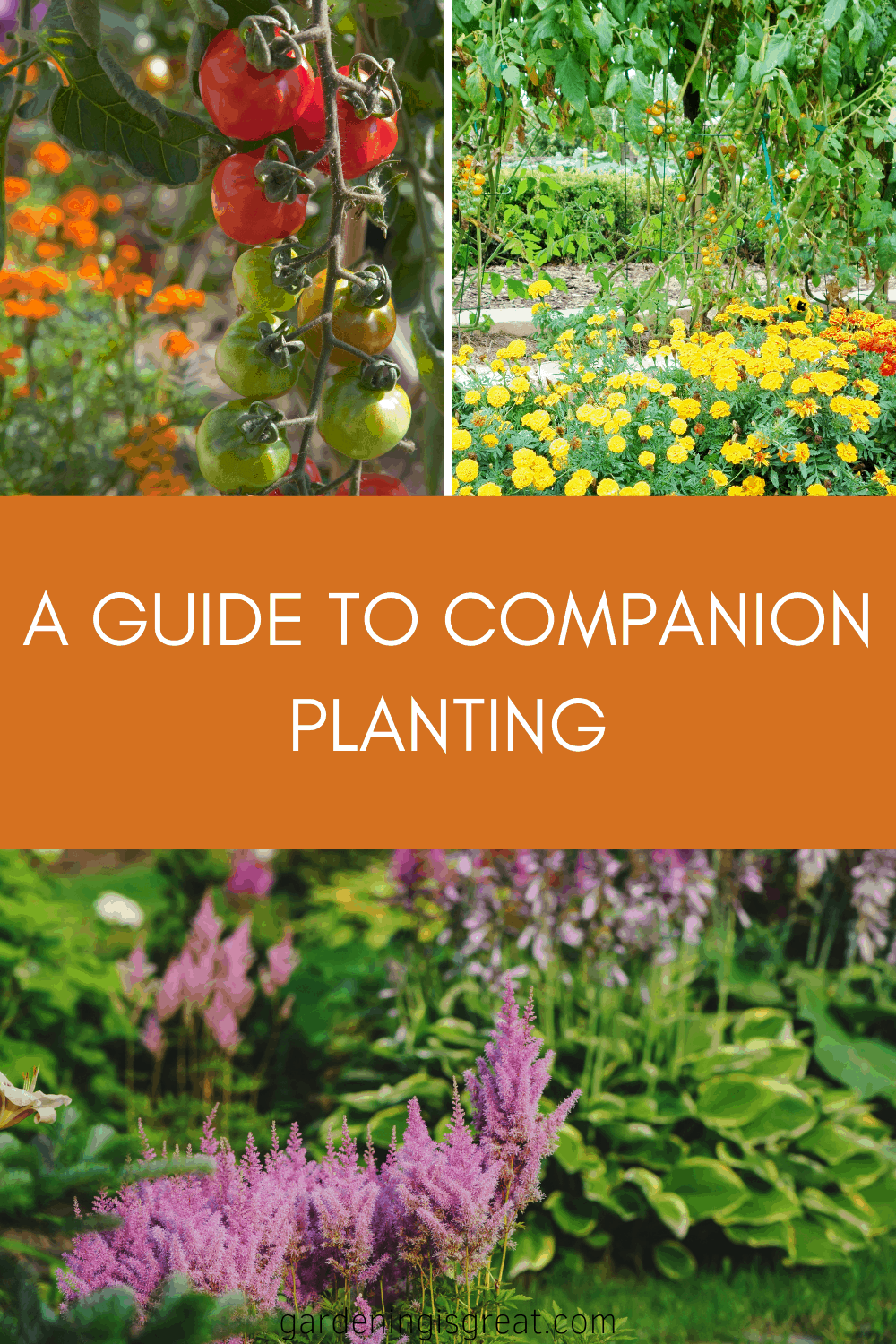
Planning your garden? Save one of these pins to your favourite gardening board so you can find this guide again.
Do you grow fruits and vegetables in your garden? Take a look at these posts to guide you when planting fruit and vegetables:
- How to Plant and Grow Asparagus
- How to Grow Carrots in the Garden
- How to Grow Kale in Your Garden
- How to Grow Green Beans
- How to Grow Morel Mushrooms
