English Lavender
Lavandula angustifolia
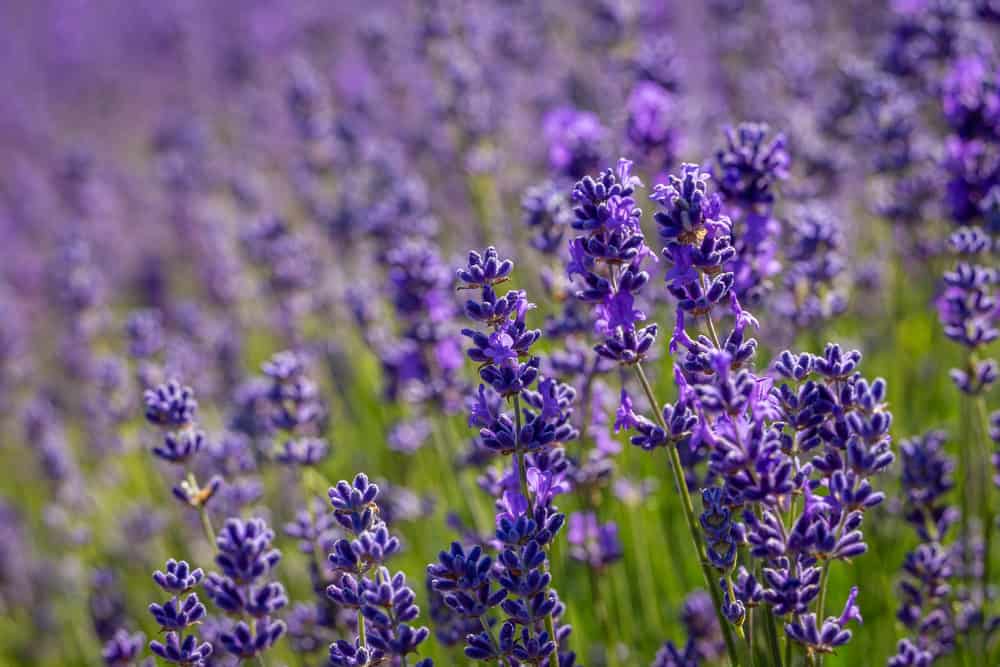
English lavender is a fragrant evergreen shrub with purple summer flowers and silvery-green foliage. Ideal for sunny borders, containers and pollinator-friendly gardens.
Growing Conditions
|
Requirement |
Details |
|---|---|
|
Water needs |
Low |
|
Soil Moisture |
Dry |
|
Soil type |
Loam, Chalk, Sand |
|
Soil pH |
Alkaline, Neutral |
|
Soil drainage |
Well-drained |
|
Maintenance |
Low |
|
RHS Hardiness Rating |
H5 – Hardy (-15 to -10°C) |
Understanding RHS Hardiness Ratings: These ratings indicate the winter temperatures a plant can generally tolerate. However, soil drainage, wind exposure and winter wet can also affect how well a plant survives.
Best Uses
How to Grow and Care for English Lavender
English lavender (Lavandula angustifolia) is a fragrant, evergreen shrub known for its purple flower spikes and silvery-green foliage. It’s a wonderful choice for sunny borders, gravel gardens, containers and pollinator-friendly planting schemes.
Native to the Mediterranean region, English lavender thrives in sunny positions with free-draining soil. Once established, it tolerates dry conditions and generally needs very little maintenance.
Planting English Lavender
Plant English lavender in spring, once the soil begins to warm, or in early autumn where drainage is good.
Choose a position that receives at least six hours of direct sunlight each day. Lavender grows best in well-drained soil and can struggle in heavy clay, particularly during wet winters.
If your garden has poorly draining soil, consider planting lavender in a raised bed or container with a suitable peat-free, free-draining compost mix.
Space plants approximately 45–60 cm apart, depending on their expected mature size.
Watering and Feeding
Water newly planted lavender regularly during its first growing season while the roots establish.
Once established, lavender is drought-tolerant and generally needs additional watering only during prolonged dry periods.
Avoid overwatering, as consistently wet soil can lead to root rot.
Lavender rarely needs feeding when grown in garden soil. Excess fertiliser can encourage leafy growth at the expense of flowers.
Pruning and Ongoing Care
Prune English lavender annually to maintain a compact, bushy shape and prevent it from becoming excessively woody.
After flowering, remove faded flower stems and lightly trim the current season’s green growth.
Avoid cutting deeply into old, leafless wood, as lavender may struggle to produce new shoots from these areas.
In colder or exposed gardens, a light spring tidy-up can help remove winter damage.
Common Growing Problems
Root rot: Usually caused by waterlogged soil or excessive watering. Improve drainage and avoid leaving containers standing in water.
Woody growth: Lavender naturally becomes woody with age, but regular light pruning helps maintain a fuller shape.
Poor flowering: Insufficient sunlight, overly fertile soil or excessive feeding can reduce flower production.
Winter damage: Cold, wet conditions can be particularly troublesome. Good drainage is essential for keeping lavender healthy through winter.
Growing English Lavender in Containers
English lavender grows well in pots, making it ideal for patios, balconies and smaller gardens.
Choose a container with generous drainage holes and use a free-draining, peat-free compost mix with added horticultural grit where appropriate.
Container-grown lavender needs more frequent watering than plants growing in the ground, especially during hot weather. Let excess water drain freely, and avoid keeping the compost constantly wet.